Elemental Beings: Spirits of Earth, Air, Fire, & Water Explained
Across diverse cultures, ancient mythologies, and esoteric traditions, the concept of Elemental Beings has captivated the human imagination. These are believed to be spirits or entities that embody the very essence of the fundamental building blocks of the cosmos: Earth, Air, Fire, and Water. Far from mere personifications, elemental beings are often depicted as sentient forces, guardians of their respective domains, and powerful influences on the natural world and human experience. Their lore suggests a deeper connection between humanity and the environment, portraying a universe teeming with unseen forces that shape our reality.
Read Also: The Eerie Ghosts of Nevada: Stories from the Silver State
The idea of four classical elements as foundational components of matter originated in ancient Greek philosophy and was later adopted by various alchemical, magical, and spiritual systems. Within these frameworks, each element was associated not only with physical properties but also with specific qualities, temperaments, and corresponding spiritual entities. Understanding these elemental beings offers a fascinating glimpse into ancient wisdom, psychological archetypes, and enduring spiritual beliefs that continue to resonate in modern times.
What are Elemental Beings and their ancient origins?
Elemental beings are conceptualized as spiritual entities or conscious forces intrinsically linked to, and embodying the essence of, one of the four classical elements: Earth, Air, Fire, and Water. These entities are believed to be the life force or intelligent consciousness behind the raw power and characteristics of their respective elements. They are not merely metaphors but are considered by many traditions to be actual, albeit non-physical, inhabitants of the world, often interacting with and influencing natural phenomena.
The origins of the four classical elements themselves can be traced back to ancient Greek philosophy, notably Empedocles (c. 494–434 BCE), who proposed them as the fundamental, unchangeable components of all matter. Plato later associated these elements with specific geometric solids, further solidifying their conceptual importance. This philosophical framework was then adopted and expanded upon by various mystical, alchemical, and magical traditions, particularly in the Western esoteric tradition originating from the Renaissance philosopher Paracelsus (1493–1541).
Photo Credit: Unsplash.com
Paracelsus is largely credited with systematically categorizing and naming the specific elemental beings that are widely recognized today: Gnomes (Earth), Sylphs (Air), Salamanders (Fire), and Undines (Water). He described them as existing on a subtle plane, often invisible to the human eye, yet capable of interacting with the physical world and influencing elemental processes. This categorization by Paracelsus became foundational for later occult and spiritual movements, solidifying the idea of distinct, intelligent elemental forces at work in the cosmos.
Who are the Gnomes and what do they represent?
The Gnomes are the elemental beings associated with the Earth element. As described by Paracelsus and later esoteric traditions, they are believed to dwell within the earth itself, inhabiting caves, mountains, forests, and subterranean realms. They are often depicted as small, stocky, and ancient-looking figures, sometimes bearded, and are typically considered the guardians of the earth’s treasures, including minerals, crystals, and precious metals. Their appearance reflects their deep connection to the material world and its stable, enduring qualities.
Gnomes are said to embody the characteristics of the Earth element: stability, grounding, practicality, solidity, and fertility. They are associated with the physical plane, the tangible aspects of existence, and the processes of growth, manifestation, and abundance. In lore, they are meticulous and industrious, constantly working to maintain the earth’s structure, nurturing plant life, and overseeing the development of subterranean formations. Their energy is often described as patient, reliable, and deeply connected to the cycles of nature.
In spiritual and magical practices, gnomes are invoked for purposes related to abundance, prosperity, grounding oneself, gardening, and protecting physical possessions. Working with the energy of gnomes or the Earth element is believed to enhance one’s connection to the physical world, foster a sense of security, and aid in bringing ideas into tangible reality. They represent the quiet strength and unwavering foundation that underpins all life on the planet.
Who are the Sylphs and what do they represent?
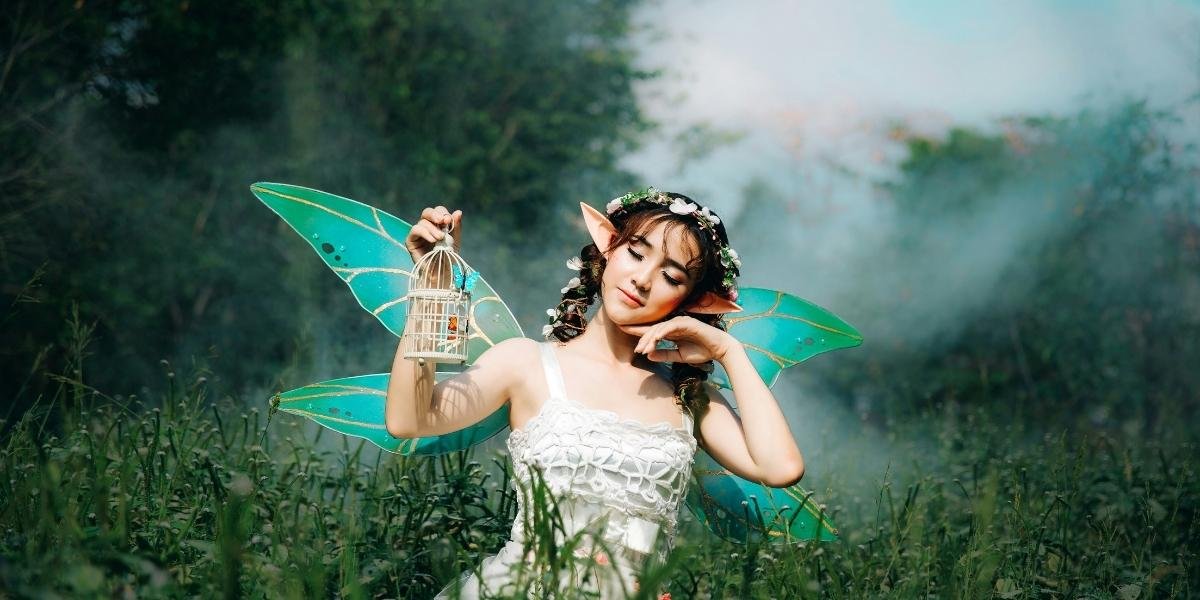
The Sylphs are the elemental beings connected to the Air element. As described in ancient lore and esoteric traditions, they are believed to inhabit the sky, clouds, and atmosphere, embodying the very essence of wind, breath, and movement. Sylphs are often depicted as graceful, ethereal, and beautiful winged beings, sometimes appearing as fairies, muses, or cloud spirits. Their light, almost invisible form reflects the intangible nature of air itself.
Sylphs are said to represent the qualities of the Air element: intellect, communication, freedom, change, clarity, and inspiration. They are associated with thought, ideas, language, and the realm of the mind. In various traditions, they are seen as responsible for the movement of winds, the formation of clouds, and for influencing weather patterns. Their energy is often described as swift, adaptable, and ever-changing, mirroring the dynamic nature of the atmosphere.
In spiritual and magical practices, sylphs are invoked for purposes related to enhancing communication skills, fostering creativity, gaining clarity of thought, overcoming stagnation, and facilitating swift change. Working with the energy of sylphs or the Air element is believed to stimulate intellectual pursuits, promote clear thinking, and encourage innovation. They represent the boundless expanse of ideas and the vital breath that animates all living things.
Who are the Salamanders and what do they represent?
The Salamanders are the elemental beings associated with the Fire element. In ancient and esoteric traditions, they are believed to dwell within flames, volcanoes, lightning, and intense heat sources. Unlike their amphibian namesakes, these elemental salamanders are often depicted as fiery, lizard-like creatures, or sometimes as pure beings of light and flame. Their appearance perfectly encapsulates the consuming, transformative, and radiant nature of fire.
Salamanders are said to embody the characteristics of the Fire element: passion, transformation, energy, purification, destruction, and creation. They are associated with will, drive, courage, and the spark of life itself. In lore, they are responsible for igniting passions, fueling creativity, and overseeing processes of change and transmutation. Their energy is often described as powerful, intense, and dynamic, mirroring the uncontrolled yet life-giving force of fire.
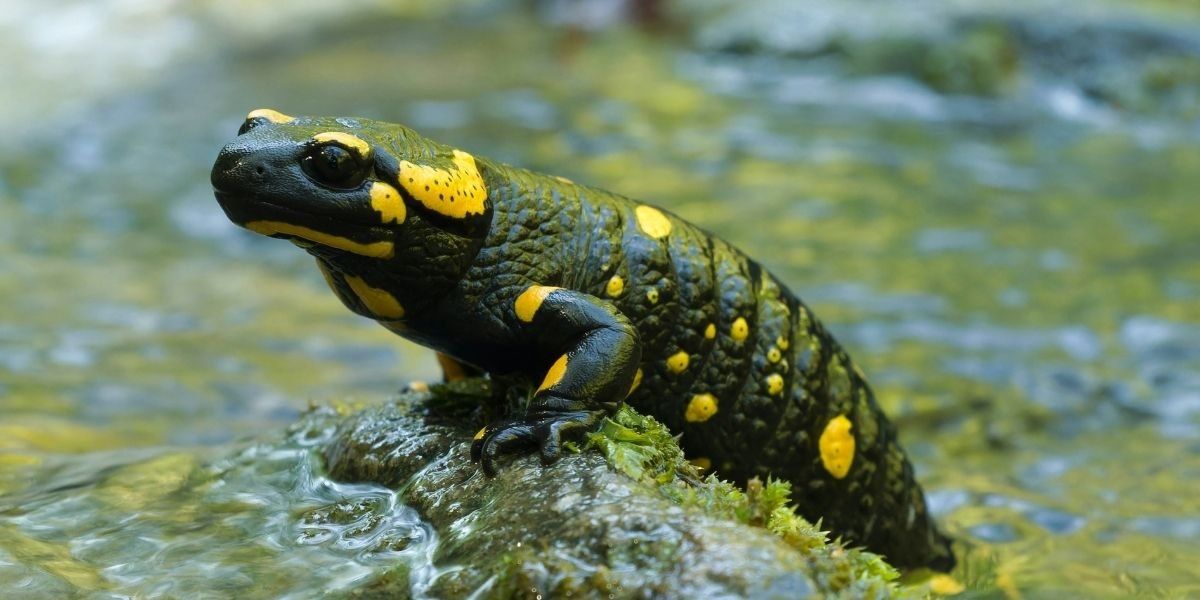
Photo Credit: Unsplash.com
In spiritual and magical practices, salamanders are invoked for purposes related to courage, willpower, purification, breaking old habits, fostering personal transformation, and igniting inspiration. Working with the energy of salamanders or the Fire element is believed to empower one’s will, cleanse negative influences, and provide the vital spark needed to initiate new endeavors. They represent the fierce, untamed power that can both destroy and create, symbolizing the eternal cycle of renewal.
Who are the Undines and what do they represent?
The Undines are the elemental beings linked to the Water element. As described in mythology and esoteric lore, they are believed to inhabit all bodies of water—oceans, lakes, rivers, springs, and even dew drops. Undines are typically depicted as beautiful, graceful, and alluring beings, often resembling mermaids, nymphs, or water sprites. Their fluid and enchanting forms reflect the ever-changing, flowing nature of water.
Undines are said to embody the characteristics of the Water element: emotion, intuition, fluidity, adaptability, healing, and subconscious realms. They are associated with feelings, dreams, psychic abilities, and the ebb and flow of life’s cycles. In folklore, they are seen as guardians of aquatic ecosystems and influencers of tides and currents. Their energy is often described as nurturing, empathetic, and deeply connected to the emotional currents of the world.
Read Also: The Ghosts of Lookout Mountain: Haunting Tales from the Past
In spiritual and magical practices, Undines are invoked for purposes related to emotional healing, intuition development, purification, dream work, love, and fertility. Working with the energy of Undines or the Water element is believed to enhance one’s emotional intelligence, promote compassion, and facilitate deeper spiritual connections. They represent the profound depths of feeling, the intuitive wisdom that flows within, and the life-giving, cleansing power of water that sustains all existence.