What Are the Core Concepts that Define This Ancient Faith?
Exploring this ancient spiritual tradition reveals a profound and multifaceted understanding of existence, emphasizing a continuous cycle of creation, preservation, and dissolution. At its heart lies the concept of Brahman, often described as the ultimate reality or the universal spirit, which is believed to be the source of all being. This all-encompassing principle is not merely an abstract idea but is understood to permeate every aspect of the universe, from the grandest cosmic phenomena to the smallest particle. Believers seek to realize their own connection to this universal essence, striving for a deeper spiritual awakening that transcends the ordinary.
Read Also: Living Simply: Building Fulfillment for Black Families
Another fundamental concept is Dharma, which broadly refers to righteousness, moral law, and ethical duty. It guides individuals in living a virtuous life, upholding cosmic order and societal harmony. Dharma is not a rigid set of rules but a dynamic principle that considers an individual’s unique circumstances, roles, and responsibilities. Living in accordance with Dharma leads to spiritual growth and contributes to the well-being of the community and the world at large. It influences actions, thoughts, and intentions, shaping a person’s path through life.
The interconnectedness of all living beings is also a central tenet. This worldview fosters a deep respect for nature and all forms of life, often promoting vegetarianism and non-violence. The belief in reincarnation, or the transmigration of the soul, is integral to understanding the continuous cycle of birth, death, and rebirth. This cycle, driven by Karma, suggests that every action, good or bad, has consequences that determine one’s future experiences across various lifetimes. This intricate tapestry of beliefs provides a comprehensive framework for understanding existence and a guide for ethical living within this spiritual tradition.
How Do Deities Play a Role in This Spiritual Path?
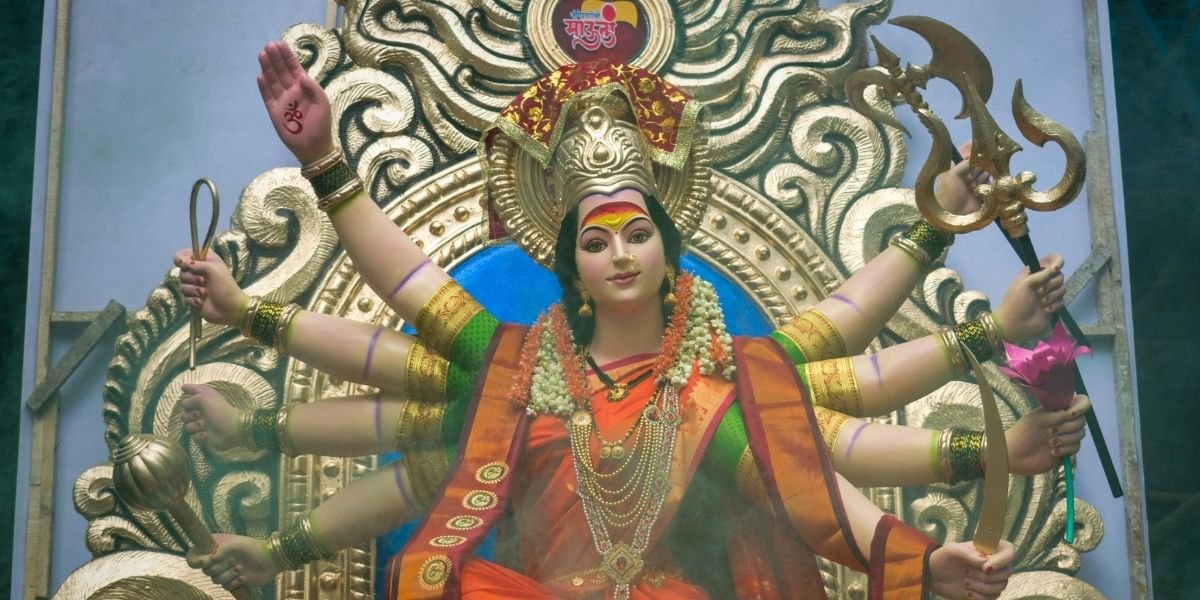
Photo Credit: Unsplash.com
Within this spiritual framework, the concept of deities is central to worship and devotion, providing various pathways for adherents to connect with the divine. While the ultimate reality, Brahman, is considered formless and limitless, it is understood to manifest in countless forms to be comprehensible to human minds. These manifestations are the various deities, each representing different aspects, powers, or functions of the divine. For instance, the trinity of Brahma, Vishnu, and Shiva represents creation, preservation, and destruction respectively, embodying the cosmic cycle.
These divine figures are not merely mythological characters but are seen as living entities that can be invoked through prayers, rituals, and meditation. Devotion to a particular deity, known as Ishta-Deva, allows individuals to personalize their spiritual journey, focusing their reverence on the form of the divine that resonates most deeply with them. This aspect of the faith offers immense flexibility, allowing for a rich diversity of devotional practices and personal relationships with the divine, accommodating individual preferences and spiritual inclinations.
Temples and home altars serve as vital spaces for connecting with these deities. Through intricate rituals, offerings, hymns, and ceremonies, devotees express their love, gratitude, and surrender. These practices are believed to invite the presence of the deity, providing blessings and guidance. The vibrant iconography, elaborate festivals, and colorful processions associated with various divine forms are not just cultural expressions but profound acts of devotion that deepen the spiritual experience for countless followers worldwide.
What is the Significance of Dharma in Daily Life?
Dharma, a cornerstone of this spiritual tradition, holds immense practical significance in the daily lives of its followers, guiding their ethical conduct and social interactions. It encourages individuals to act righteously, fulfilling their duties towards family, community, and the broader world. This principle is not a rigid code but rather a framework for moral decision-making, emphasizing selflessness, honesty, compassion, and respect for all beings. Living by Dharma is believed to bring inner peace and contributes to a harmonious society, fostering a sense of collective well-being and justice.
The concept extends beyond personal ethics to encompass societal roles and responsibilities. Each individual’s Dharma is shaped by their unique position in life, their age, gender, and social duties. For a student, Dharma might involve diligent study and respectful behavior; for a parent, it includes nurturing and guiding their children; and for a leader, it means just governance and prioritizing the welfare of their people. This nuanced understanding ensures that ethical living is contextualized, making it a relevant and adaptable guide for diverse life paths and vocations.
Integrating Dharma into daily routines often involves practices like regular prayer or meditation, acts of charity, and participating in community service. Many families maintain traditions of joint prayers, studying sacred texts, and observing festivals, which reinforce these ethical principles from a young age. The aim is to infuse everyday actions with spiritual awareness, transforming mundane tasks into opportunities for growth and service. This constant striving for virtuous conduct is a continuous journey, shaping character and contributing to a meaningful existence for followers of this faith.
How Do Festivals and Rituals Shape This Spiritual Tradition?
Festivals and rituals form the vibrant heart of this spiritual tradition, serving as powerful expressions of faith, community bonding, and cultural heritage. Throughout the year, numerous festivals are celebrated, each with its own unique stories, deities, and customs. These celebrations are not merely holidays but profound opportunities for devotees to deepen their spiritual connection, reaffirm their beliefs, and participate in collective acts of worship. They often involve elaborate decorations, special foods, music, dance, and storytelling, creating a joyful and immersive experience.
Rituals, both at home and in temples, are meticulously performed to invoke divine blessings and purify the mind and body. These can range from simple daily prayers and offerings of incense and flowers to complex ceremonies spanning several days, led by priests. Each gesture, chant, and offering in a ritual carries symbolic meaning, designed to focus the mind and elevate consciousness. These practices provide a structured way for individuals to express their devotion and seek spiritual advancement, reinforcing their connection to the divine principles central to the faith.
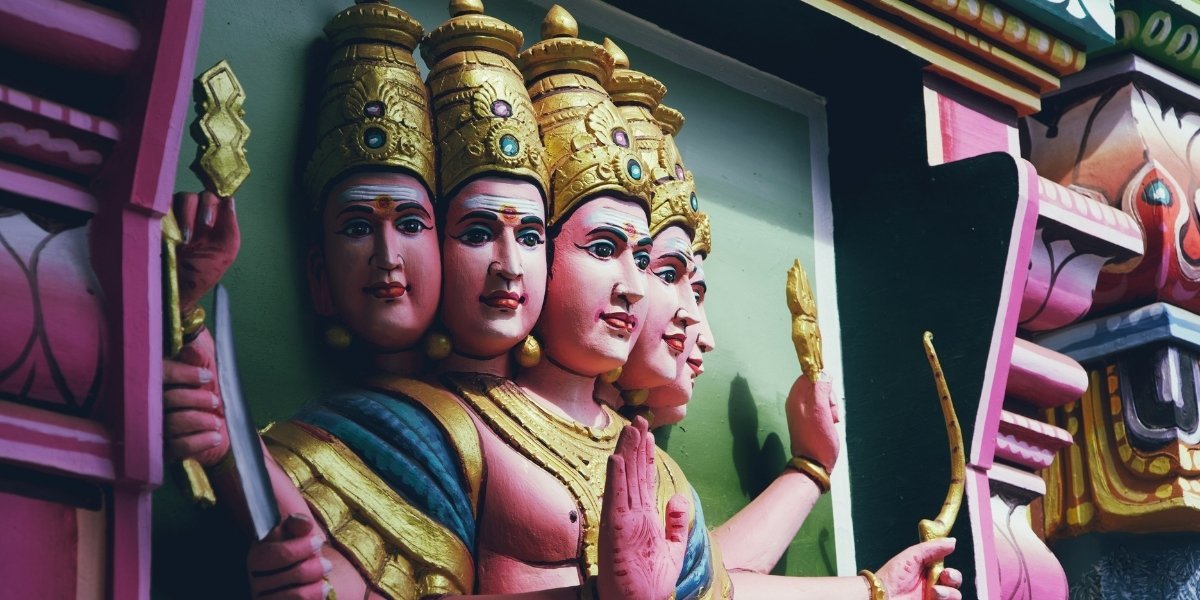
Photo Credit: Unsplash.com
Beyond their spiritual significance, festivals and rituals also play a crucial role in preserving the cultural identity and traditions of the community. They pass down stories, values, and practices from one generation to the next, fostering a strong sense of belonging and continuity. These events are often intergenerational affairs, bringing families and communities together in shared celebration and devotion. The collective energy generated during these festive times creates an atmosphere of unity, joy, and spiritual upliftment, enriching the daily lives of adherents.
What Is the Concept of Karma and Reincarnation?
The concepts of Karma and reincarnation are foundational to this spiritual tradition, offering a profound explanation for individual experiences and the continuous cycle of existence. Karma refers to the sum of a person’s actions, both good and bad, performed in this and previous lives, as well as the consequences of those actions. Every thought, word, and deed is believed to generate a corresponding reaction, which influences an individual’s future circumstances and determines their experiences across lifetimes. This is not seen as divine judgment, but as a natural law of cause and effect, an inherent principle of the cosmos.
Reincarnation, also known as the transmigration of the soul, is the belief that the soul, or Atman, is immortal and undergoes a continuous cycle of birth, death, and rebirth. When a physical body dies, the soul departs and takes on a new body, which could be human, animal, or another form of existence, depending on the Karma accumulated in past lives. The ultimate goal within this cycle is to achieve Moksha, liberation from the cycle of rebirth, and attain union with the ultimate reality, Brahman. This liberation is achieved through righteous living, spiritual knowledge, and devotion, breaking free from the karmic bonds that tie the soul to the material world.
Read Also: African American Literature and Its Lasting Influence
Understanding Karma and reincarnation provides a framework for comprehending life’s variations and challenges, fostering a sense of personal responsibility for one’s actions. It encourages ethical conduct, as individuals recognize that their present choices shape their future destinies. This profound belief system offers a sense of continuity and purpose, reminding followers that life’s journey extends beyond a single existence, and every action contributes to the ongoing spiritual evolution of the soul.