Data-Driven Strategies: How Analytics Shape Sports Training

The Impact of Data Analytics in Sports Training

In the ever-evolving landscape of sports training, the utilization of data analytics has become a pivotal factor in enhancing performance and making informed strategic decisions. Coaches, in their quest for excellence, have embraced virtual simulations and wearables to gain valuable insights that go beyond conventional methods.

The Growing Influence of Virtual Simulations

The integration of virtual simulations has transformed the way athletes prepare for competitions. This subheading explores how coaches leverage advanced technologies to create realistic scenarios for training. From simulating game-like situations to analyzing player reactions, virtual simulations provide a hands-on learning experience that goes beyond traditional training methods.

Wearables: A Game-Changer in Athlete Performance Monitoring

Wearable technology has emerged as a game-changer in sports training, offering real-time data on various aspects of an athlete’s performance. This section delves into the use of wearables in monitoring key metrics such as heart rate, speed, and even biomechanics. The data collected not only aids in optimizing training programs but also helps in preventing injuries by identifying potential risks.

Contrarian View: Skepticism Amidst the Technological Wave

While the benefits of data-driven strategies in sports training are evident, a degree of skepticism exists. Some argue that over-reliance on technology may undermine the instinctive and intuitive aspects of coaching. This contrarian perspective explores concerns about the potential disconnect between coaches and athletes when data takes precedence over subjective assessments.

Summarizing the Impact of Data Analytics in Sports Training

In conclusion, the integration of data analytics in sports training has ushered in a new era of precision and efficiency. Virtual simulations and wearables have revolutionized how coaches approach athlete development, providing a nuanced understanding of performance dynamics. Despite concerns raised by skeptics, the evidence suggests that the benefits of data-driven strategies far outweigh the drawbacks, shaping the future of sports training.

Inclusive Representation: A Call for Equality in Sports

Athletes as Advocates

In recent times, athletes have become powerful advocates for diversity and inclusivity within the realm of sports. Beyond the courts and fields where they showcase their physical prowess, these individuals are using their platforms to champion the cause of equal opportunities and representation for individuals of all backgrounds and identities.

Breaking Barriers

The push for inclusive representation marks a significant shift in the landscape of sports. Athletes, once confined to their roles as competitors, are now breaking through barriers to address broader societal issues. This evolution is not merely about the games they play but extends to the impact they can have on fostering a more inclusive world.

In this quest for equitable opportunities, athletes are challenging the status quo. They are unveiling the disparities that exist within sports, shedding light on the systemic hurdles faced by individuals from marginalized communities. This ever-evolving narrative is reshaping the way we perceive sports, transcending the boundaries of mere competition.

A Contrarian Perspective

While some may argue that sports should remain apolitical and focused solely on athleticism, the reality is that athletes are not siloed entities. They are members of society with the capacity to influence change. To disregard their advocacy for inclusivity is to ignore the potential sports have in shaping cultural norms.

The contrarian perspective asserts that athletes should stick to their respective fields and not delve into societal matters. However, this viewpoint fails to recognize the interconnectedness of sports and society. By addressing issues of diversity and inclusivity, athletes contribute to a more comprehensive and nuanced understanding of the world we live in.

A Call to Action

In the pursuit of inclusive representation, athletes are not merely passive voices. They actively engage with initiatives and organizations that promote diversity and equal opportunities. From advocating for gender equality to championing LGBTQ+ rights, athletes are using their influence to amplify the voices of those often marginalized within the sporting community.

This call to action goes beyond symbolic gestures. Athletes are partnering with organizations that align with their values, participating in outreach programs, and using their influence to challenge discriminatory practices within sports institutions. The momentum they generate is transforming the sporting landscape into a more inclusive and welcoming environment for all.

The Summarized Impact

In summary, the movement towards inclusive representation in sports is gaining momentum, with athletes at the forefront of this transformative journey. Breaking away from traditional roles, athletes are becoming advocates for diversity and equal opportunities. Despite contrarian perspectives, their activism is an essential catalyst for positive change. The call to action is not a mere slogan but a tangible commitment to reshaping the narrative of sports towards a more inclusive and representative future.

The Surging Popularity of Esports: Redefining the Sports Landscape

In recent years, the world of competitive gaming, known as esports, has experienced explosive growth, captivating millions of players and spectators worldwide. This phenomenon has not only reshaped the gaming industry but has also left a significant impact on traditional sports culture. In this article, we’ll delve into the reasons behind the rise of esports, explore its evolution, highlight notable esports events, and examine the emergence of professional esports athletes.

Understanding the Appeal of Esports

Esports refers to organized video game competitions where professional players compete individually or as teams in popular games such as League of Legends, Counter-Strike: Global Offensive, and Fortnite. The appeal of esports lies in its accessibility, inclusivity, and the thrill of competition. Unlike traditional sports, which often require physical prowess, esports allows players of all skill levels to compete on an equal playing field, leveling the playing field for gamers around the world.

The Evolution of Competitive Gaming

The roots of esports can be traced back to the early days of arcade gaming and LAN parties, where players would gather to compete in multiplayer video game tournaments. Over time, advances in technology, the rise of online gaming platforms, and the advent of streaming services like Twitch have transformed esports into a global phenomenon. Today, esports tournaments attract millions of viewers online and fill arenas with passionate fans eager to witness the intense competition firsthand.

Notable Esports Events

The esports calendar is filled with a diverse array of events ranging from small-scale local tournaments to massive international championships. Some of the most prestigious esports events include:

  • The League of Legends World Championship: Organized by Riot Games, the League of Legends World Championship is one of the largest and most-watched esports events in the world, attracting millions of viewers and offering millions of dollars in prize money.
  • The International: Hosted by Valve Corporation, The International is an annual Dota 2 tournament that features the world’s best teams competing for a multi-million-dollar prize pool, funded by community contributions through in-game purchases.
  • The Fortnite World Cup: Epic Games’ Fortnite World Cup is a highly anticipated event that showcases top players from around the world competing in various Fortnite game modes for a chance to win significant cash prizes and global recognition.

These events not only showcase the skill and talent of esports athletes but also provide a platform for sponsors, advertisers, and gaming companies to reach a massive and engaged audience.

The Rise of Professional Esports Athletes

As esports has grown in popularity, so too has the level of competition and professionalism within the industry. Today, professional esports athletes are revered for their skill, dedication, and strategic prowess. Many top players earn substantial incomes through tournament winnings, sponsorships, streaming revenue, and endorsements. With the rise of esports organizations and dedicated training facilities, aspiring gamers have more opportunities than ever to pursue a career in competitive gaming.

Impact on Traditional Sports Culture

The rise of esports has had a profound impact on traditional sports culture, challenging long-held notions of what constitutes a sport and who can be considered an athlete. Esports events now rival traditional sports competitions in terms of viewership, sponsorships, and revenue, attracting a younger demographic that may not have previously been interested in sports. Additionally, professional sports organizations and athletes are increasingly investing in esports teams and partnerships, recognizing the potential for crossover appeal and brand exposure.

Embracing the Future of Sports

In conclusion, the rise of esports represents a seismic shift in the world of sports and entertainment. With its growing popularity, global reach, and passionate fanbase, esports has become a cultural phenomenon that transcends traditional boundaries. As esports continues to evolve and mature, it will undoubtedly play an increasingly significant role in shaping the future of sports and entertainment, blurring the lines between virtual and physical competition and inspiring a new generation of athletes and fans alike.

The Art and Care of Black Hair: Products and Styles Explained

Understanding Black Hair Care: Products, Styles, and Cultural Significance

Black hair care goes beyond simple grooming—it’s a powerful expression of identity, culture, and history. For centuries, Black hair has been a canvas for creativity, individuality, and resilience, reflecting the richness of Black culture while adapting to societal changes. From natural textures to protective styles, Black hair care encompasses a broad spectrum of techniques and products designed to nurture, celebrate, and protect hair types that are as diverse as the community itself.

Why Is Black Hair Care Unique?

Black hair is distinct in its structure, with curly, coily, or kinky textures that require specialized care. Unlike straight or wavy hair types, Black hair tends to be more fragile and prone to dryness, as the natural oils from the scalp take longer to travel down the hair shaft. These unique characteristics have led to the development of specialized hair care routines and products that cater to the needs of textured hair.

For many Black individuals, taking care of their hair is not just about appearance—it’s about maintaining the health and integrity of their strands. Proper hydration, gentle detangling, and the use of products free from harsh chemicals are key elements in any Black hair care routine. Over time, an industry has blossomed to meet these needs, offering products like sulfate-free shampoos, leave-in conditioners, and nutrient-rich oils.

What Role Do Hair Products Play in Black Hair Care?

The hair care industry has come a long way in creating products that celebrate and enhance the beauty of textured hair. Historically, many mainstream hair products failed to address the unique needs of Black hair, often leaving it damaged or stripped of moisture. Today, brands like SheaMoisture, Cantu, and Mielle Organics are leading the way, offering formulas specifically designed for textured hair.

Moisture is the cornerstone of Black hair care, and products that promote hydration are essential. Leave-in conditioners, curl creams, and deep conditioning masks help maintain softness and elasticity while preventing breakage. Oils like argan, jojoba, and castor oil are also popular, providing nourishment and sealing in moisture to keep hair looking and feeling its best.

For those who style their hair using heat tools, products like heat protectant sprays ensure that strands remain shielded from damage. Similarly, lightweight gels and mousses help define curls and coils without weighing them down, making them invaluable for styling routines.

The rise of natural and organic ingredients has also shifted the industry. Many Black consumers now seek out products free from sulfates, parabens, and silicones, embracing formulas that prioritize hair health over harsh, stripping chemicals. This shift underscores the growing awareness of the importance of clean beauty within the Black community.

How Do Hairstyles Reflect Culture and Identity?

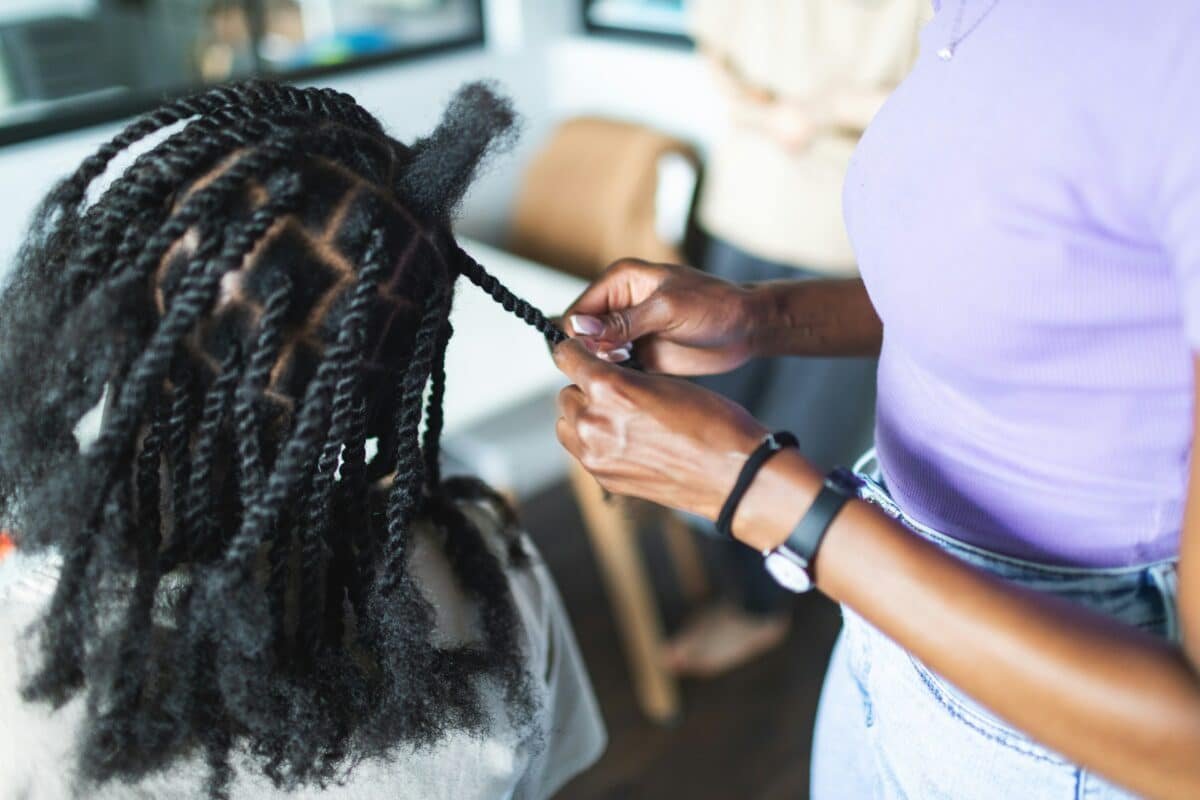
Hair has always been a deeply personal and cultural statement in the Black community. Styles like braids, twists, and locs not only protect natural hair but also celebrate cultural heritage. These styles often tell stories, mark rites of passage, or signify membership within a community.

Braids are among the most iconic hairstyles, with roots tracing back thousands of years to African tribes. Intricate braiding patterns were often used as a means of communication, signaling everything from marital status to social rank. Today, braids remain a popular choice, blending tradition with modern aesthetics. Styles like box braids, cornrows, and knotless braids offer both versatility and longevity, allowing individuals to experiment with different looks while keeping their hair protected.

Another popular choice is protective styles, which safeguard hair from environmental damage and over-manipulation. These styles, including weaves, wigs, and crochet braids, allow for a variety of looks while giving natural hair a chance to grow and thrive. Wigs, in particular, have gained immense popularity, offering endless styling possibilities without the commitment of altering one’s natural hair.

The natural hair movement has also played a significant role in Black hair care. Over the past two decades, there has been a renewed emphasis on embracing natural textures, with many individuals opting to wear their hair in its unaltered state. From Afros to twist-outs, natural hairstyles celebrate the beauty of Black hair in its most authentic form, challenging societal standards of beauty and inspiring self-love.

Why Is Black Hair Care More Than Just Maintenance?

The importance of Black hair care extends far beyond aesthetics. Hair has long been a tool for resistance and empowerment within the Black community. During the era of slavery, for example, hair was used to convey messages, with braiding patterns acting as maps to freedom. In more recent times, natural hairstyles have been embraced as symbols of pride and identity, countering Eurocentric beauty standards.

The connection between Black hair and identity is also reflected in popular culture. Celebrities like Lupita Nyong’o, Solange Knowles, and Tracee Ellis Ross have used their platforms to champion the beauty of natural hair, challenging stigmas and encouraging others to embrace their textures. These efforts have helped normalize a wider range of hairstyles, creating space for more diverse representations of beauty.

Despite progress, challenges remain. Many Black individuals continue to face discrimination based on their hair, with natural styles being deemed “unprofessional” in certain workplaces or schools. Movements like the CROWN Act (Create a Respectful and Open World for Natural Hair) aim to combat this bias, advocating for the protection of natural hairstyles under anti-discrimination laws.

What Does the Future Hold for Black Hair Care?

The future of Black hair care is bright, with innovation and advocacy at the forefront. As the demand for products tailored to textured hair continues to grow, more brands are stepping up to fill the gap. From high-tech scalp treatments to eco-friendly styling tools, the industry is evolving to meet the needs of modern consumers.

Education is also playing a key role. Many Black individuals are turning to social media, where influencers and hairstylists share tips, tutorials, and product recommendations. These platforms have become invaluable resources, empowering people to take control of their hair care journeys.

At its heart, Black hair care remains a celebration of individuality and resilience. Whether through intricate braids, bold Afros, or sleek protective styles, Black hair continues to be a powerful expression of identity and artistry. By investing in the health and beauty of textured hair, the industry not only supports consumers but also honors the rich cultural legacy of Black hair.

The Growth of CrossFit: A Fitness Revolution

In recent years, CrossFit has emerged as a dominant force in the fitness industry, captivating individuals seeking a dynamic and results-driven approach to exercise. Originating in the early 2000s, CrossFit has experienced exponential growth, transforming from a niche fitness regimen to a global phenomenon. This article explores the factors fueling the rise of CrossFit and its enduring appeal to fitness enthusiasts worldwide.

Understanding CrossFit

CrossFit is not merely a workout program—it’s a lifestyle. At its core, CrossFit is a high-intensity fitness program characterized by constantly varied, functional movements performed at high intensity. Workouts typically incorporate elements from various disciplines, including weightlifting, gymnastics, and cardiovascular training. The emphasis on functional fitness—movements that mimic real-life activities—sets CrossFit apart from traditional gym routines, promoting overall strength, agility, and endurance.

CrossFit’s approach is rooted in the philosophy that fitness should be inclusive and accessible to all. Whether you’re a seasoned athlete or a novice, CrossFit workouts can be scaled to accommodate individual fitness levels and goals. This scalability, coupled with the supportive community environment found in CrossFit gyms, makes CrossFit appealing to a wide range of individuals seeking a challenging yet rewarding fitness experience.

The Appeal of CrossFit

One of CrossFit’s primary draws is its community-oriented approach to fitness. CrossFit gyms, known as “boxes,” foster a supportive and inclusive environment where members encourage and challenge each other to reach their fitness goals. The camaraderie forged through shared sweat and effort creates a sense of belonging and accountability, motivating individuals to push past their limits and achieve new heights of performance.

CrossFit’s emphasis on measurable results also contributes to its appeal. Workouts are designed to be scalable, allowing individuals of all fitness levels to participate and track their progress over time. The use of benchmark workouts, such as the famous “Murph” or “Fran,” provides tangible benchmarks for improvement, fueling motivation and instilling a sense of accomplishment with each milestone reached.

The Evolution of CrossFit

Since its inception, CrossFit has evolved beyond its roots as a grassroots fitness movement. The CrossFit Games, an annual competition showcasing the fittest athletes on Earth, has propelled the sport into the mainstream spotlight, attracting athletes from diverse backgrounds and disciplines. The Games serve as a platform for innovation and athleticism, pushing the boundaries of what is possible in the realm of fitness.

CrossFit’s influence extends beyond the gym walls, permeating popular culture through social media, documentaries, and branded merchandise. The CrossFit lifestyle—a dedication to fitness, nutrition, and personal growth—has inspired millions worldwide to adopt healthier habits and pursue their fitness aspirations with passion and determination.

Challenges and Controversies

Despite its widespread popularity, CrossFit has not been immune to criticism and controversy. Concerns have been raised regarding the risk of injury associated with high-intensity workouts and the lack of standardized certification for CrossFit trainers. Additionally, the competitive nature of CrossFit culture has led to debates over training methodologies and the pursuit of elite performance at the expense of safety and sustainability.

Looking Ahead

As CrossFit continues to evolve, its future remains bright and full of potential. With an ever-expanding global community and a commitment to innovation and inclusivity, CrossFit is poised to remain a driving force in the fitness industry for years to come. Whether you’re a seasoned athlete or a novice looking to improve your health and fitness, CrossFit offers a challenging yet rewarding path to achieving your goals.

Embracing the CrossFit Lifestyle

In embracing the CrossFit lifestyle, individuals not only transform their bodies but also their minds and spirits. The sense of accomplishment that comes from conquering a challenging workout, the bonds forged with fellow CrossFitters, and the confidence gained from pushing past perceived limitations are invaluable aspects of the CrossFit experience.

In conclusion, the growth of CrossFit represents more than just a fitness trend—it’s a movement that has transformed the way millions approach health and wellness. By combining functional movements, intensity, and community support, CrossFit has empowered individuals worldwide to unleash their full potential and live healthier, more fulfilling lives. As the CrossFit community continues to expand and evolve, one thing remains clear: the future of fitness is CrossFit.

Breaking Barriers: The Journey Towards Gender Equality in Sports

In the dynamic world of sports, the quest for gender equality has been a long and challenging journey. While significant progress has been made in recent years, there are still many hurdles to overcome to achieve true equality between male and female athletes. In this article, we’ll delve into the progress and challenges of achieving gender equality in sports, focusing on key issues such as pay equity, media representation, and access to opportunities for female athletes.

Pay Equity: Leveling the Playing Field

One of the most pressing issues in the realm of gender equality in sports is pay equity. Historically, female athletes have faced significant disparities in pay compared to their male counterparts, despite achieving similar levels of success and performance. In many cases, female athletes are paid less for winning tournaments, endorsements, and sponsorship deals, leading to financial inequality and limited earning potential.

However, there have been notable strides towards pay equity in recent years, with organizations and governing bodies taking steps to address these disparities. For example, in professional tennis, tournaments such as Wimbledon and the US Open have implemented equal prize money for male and female players. Additionally, women’s sports leagues, such as the WNBA and NWSL, have negotiated improved pay and benefits for their athletes, signaling a shift towards greater parity in compensation.

Media Representation: Shaping the Narrative

Another critical aspect of gender equality in sports is media representation. Historically, female athletes have been underrepresented and marginalized in sports media coverage, receiving less airtime, attention, and sponsorship opportunities compared to male athletes. This lack of visibility not only perpetuates gender stereotypes but also hinders the growth and recognition of women’s sports.

However, there has been a growing movement to amplify the voices and achievements of female athletes in the media. Initiatives such as the “Women’s Sports Week” and the “Women’s Sports Foundation” have helped raise awareness of women’s sports and advocate for greater media coverage. Social media platforms have also provided female athletes with a platform to share their stories and connect with fans directly, bypassing traditional media gatekeepers.

Access to Opportunities: Breaking Down Barriers

Access to opportunities is another significant challenge facing female athletes in their pursuit of gender equality in sports. From grassroots programs to professional leagues, women’s sports have historically received less funding, resources, and support compared to men’s sports. This lack of investment has created barriers to participation and development for female athletes at all levels.

However, there has been a growing recognition of the importance of investing in women’s sports and creating opportunities for female athletes to succeed. Organizations and initiatives such as the “SheIS” movement and the “Women’s Sports Foundation” have been instrumental in advocating for gender equality in sports and providing support for female athletes. Additionally, increased corporate sponsorship and media partnerships have helped elevate the profile of women’s sports and expand opportunities for female athletes to compete and excel on the global stage.

Empowering the Next Generation

As we look towards the future, it’s essential to continue empowering the next generation of female athletes and breaking down barriers to gender equality in sports. By promoting inclusivity, diversity, and equal opportunities for all athletes, regardless of gender, we can create a more equitable and inclusive sports culture for future generations. Whether it’s through policy changes, grassroots initiatives, or individual advocacy efforts, we all have a role to play in advancing the cause of gender equality in sports.

In conclusion, while significant progress has been made in recent years, achieving gender equality in sports remains an ongoing challenge. From pay equity and media representation to access to opportunities, there are still many hurdles to overcome to level the playing field for female athletes. However, by raising awareness, advocating for change, and empowering the next generation of athletes, we can continue to make strides towards a more equitable and inclusive sports landscape for all.

How Women are Dominating Soccer

Soccer, often referred to as the world’s most popular sport, has traditionally been associated with men’s teams and leagues. However, in recent years, there has been a significant shift as women’s soccer gains prominence and recognition on both the national and international stages. From record-breaking attendance to groundbreaking achievements, women are making their mark and dominating the world of soccer. This article explores the remarkable rise of women’s soccer and the factors driving its success.

Breaking Barriers and Shattering Stereotypes

Women’s soccer has come a long way since its humble beginnings, overcoming numerous challenges and obstacles along the journey. Historically, female athletes faced discrimination, lack of funding, and limited opportunities to participate in organized sports. However, through perseverance, determination, and advocacy, women’s soccer has emerged as a force to be reckoned with, challenging stereotypes and redefining the narrative of what it means to be a soccer player.

Rise of Professional Leagues and Global Competitions

The establishment of professional women’s soccer leagues and the expansion of international competitions have been instrumental in fueling the growth of the sport. Leagues such as the National Women’s Soccer League (NWSL) in the United States, the Women’s Super League (WSL) in England, and the Frauen-Bundesliga in Germany provide platforms for elite female athletes to showcase their talent and compete at the highest level. Moreover, major tournaments such as the FIFA Women’s World Cup and the UEFA Women’s Championship attract millions of viewers worldwide, elevating the visibility and popularity of women’s soccer.

Investment in Infrastructure and Development

Increased investment in women’s soccer infrastructure and development programs has played a pivotal role in nurturing talent and fostering growth. National governing bodies, professional clubs, and corporate sponsors are investing resources in coaching education, youth academies, and grassroots initiatives aimed at increasing participation and talent identification. Additionally, initiatives to address pay equity, provide equal access to resources, and promote inclusivity are helping to create a more supportive and equitable environment for female athletes.

Role Models and Inspirational Figures

The emergence of iconic figures and role models in women’s soccer has inspired a new generation of athletes and fans alike. From trailblazers like Mia Hamm and Abby Wambach to contemporary stars such as Megan Rapinoe and Marta Vieira da Silva, these athletes have not only achieved success on the field but also used their platform to advocate for social justice, gender equality, and LGBTQ+ rights. Their influence extends beyond the sport, inspiring young girls to pursue their dreams and challenge societal norms.

Cultural Shift and Changing Perceptions

As attitudes towards gender roles and female athleticism evolve, there has been a cultural shift in how women’s soccer is perceived and celebrated. Media coverage of women’s soccer has increased, with broadcasters dedicating more airtime and resources to showcase matches, highlights, and player profiles. Social media platforms have also played a significant role in amplifying the voices of female athletes and engaging fans in meaningful conversations about the sport.

Conclusion

In conclusion, women’s soccer is experiencing a golden age, marked by unprecedented growth, recognition, and success. From grassroots initiatives to international tournaments, the momentum behind women’s soccer continues to build, driven by the passion and dedication of players, coaches, fans, and stakeholders. As women continue to dominate the soccer landscape, the sport’s future has never looked brighter. With continued investment, support, and advocacy, women’s soccer will undoubtedly continue to thrive and inspire generations to come.

The Crucial Role of Sports in Nurturing Child Development

Engaging in sports activities has long been recognized as a crucial element in the holistic development of children. Beyond the physical benefits, participation in sports instills essential values and skills that contribute to a child’s overall well-being. In this editorial, we will explore the multifaceted advantages of children actively engaging in sports.

Physical Health and Fitness

At the forefront of the benefits lies the enhancement of physical health and fitness. Regular participation in sports helps children develop endurance, strength, and flexibility. Physical activity not only promotes a healthy weight but also supports the development of strong bones and muscles. These habits cultivated during childhood contribute to a foundation for a lifetime of good health.

Social Development

Participating in team sports fosters social development by providing children with the opportunity to interact with their peers. Teamwork, communication, and cooperation become inherent as they work together towards common goals. Friendships formed on the field often extend beyond the game, creating a sense of camaraderie and connection that is invaluable in shaping their social skills.

Discipline and Time Management

The structured nature of sports activities teaches children discipline and time management. Regular practices, adherence to rules, and commitment to the team cultivate a sense of responsibility. Learning to balance academics and sports commitments sets the groundwork for effective time management skills, a valuable asset as they progress through their academic and professional lives.

Emotional Well-being

Engaging in sports provides an outlet for the expression of emotions and stress relief. The endorphins released during physical activity contribute to a positive mood and help alleviate feelings of anxiety and depression. Additionally, facing challenges on the field teaches children resilience and the ability to cope with setbacks, essential skills for navigating the complexities of life.

Academic Performance

Contrary to the misconception that sports may distract from academic pursuits, evidence suggests a positive correlation between sports participation and academic performance. The discipline acquired through sports often carries over into the classroom, with many student-athletes demonstrating improved focus, time management, and goal-setting skills.

Challenging the Notion

While the benefits of children playing sports are numerous, it’s essential to acknowledge the potential challenges and drawbacks. Some argue that an excessive focus on sports may lead to burnout or injuries, potentially overshadowing other aspects of a child’s development. Striking a balance between sports and other activities is crucial to ensuring a well-rounded upbringing.

Conclusion

In conclusion, the benefits of children playing sports extend far beyond the physical realm. From fostering social skills to instilling discipline and enhancing emotional well-being, sports play a pivotal role in shaping well-rounded individuals. While acknowledging the potential challenges, it is evident that the positive impact of youth sports participation is profound and contributes significantly to the development of healthy, resilient, and socially adept individuals. Parents, educators, and communities should continue to support and encourage youth sports as a vital component of a child’s overall growth and well-being.

Embracing the Digital Frontier: Revolutionizing Athlete Performance through Technology Integration

In the dynamic realm of sports, a transformative wave is sweeping across training methodologies, steering athletes toward unprecedented heights of performance. At the forefront of this revolution is the integration of cutting-edge technology, with sports teams nationwide increasingly turning to virtual reality training and wearable devices as indispensable tools in the pursuit of athletic excellence.

Virtual Reality: A Game-Changer in Training Regimens

In the pursuit of refining athletes’ skills and enhancing their cognitive abilities, virtual reality (VR) training has emerged as a groundbreaking methodology. Sports teams are immersing their players in simulated environments that replicate the complexities and challenges of their respective sports. Whether it’s honing strategic decision-making on the basketball court or fine-tuning a quarterback’s precision on the football field, VR training offers an immersive experience that transcends the limitations of traditional methods.

The advantages of virtual reality in training are multifaceted. Athletes can repetitively practice specific plays or maneuvers in a controlled and realistic setting, fostering muscle memory and heightened situational awareness. This approach not only accelerates skill acquisition but also minimizes the risk of injuries by allowing players to navigate through various scenarios without the physical toll associated with on-field practices.

Wearable Devices: Precision Monitoring for Peak Performance

Beyond the virtual realm, wearable devices have become integral in the day-to-day training routines of athletes. From smartwatches to fitness trackers, these devices are not merely accessories; they serve as precision instruments, offering real-time insights into an athlete’s physiological and biomechanical metrics.

Athletes wear these devices during training sessions and competitions, allowing coaches and sports scientists to collect valuable data on parameters such as heart rate, sleep patterns, and biomechanics. This data-driven approach enables a more personalized and adaptive training regimen, tailoring workouts to individual needs and optimizing recovery strategies.

Moreover, wearable devices contribute to injury prevention by identifying early signs of physical strain or irregularities in an athlete’s biomechanics. This proactive approach empowers sports teams to implement targeted interventions, reducing the risk of injuries and ensuring athletes perform at their peak during crucial moments.

The Collaborative Paradigm: Coaches, Athletes, and Technology Unite

The integration of technology in sports training is not a unilateral effort but a collaborative paradigm where coaches, athletes, and cutting-edge tools work in synergy. Coaches utilize the data generated by VR simulations and wearable devices to tailor training programs that address specific strengths and weaknesses, fostering a more targeted and efficient development trajectory for each athlete.

Athletes, on their part, actively engage with the technology, recognizing its role in their journey toward excellence. The shift toward a tech-savvy athlete culture is evident as players embrace virtual simulations as a means of refining their skills, and willingly incorporate wearable devices into their daily routines to optimize performance and recovery.

The Human Element Amidst the Digital Onslaught

While the integration of technology in sports training undeniably offers myriad benefits, it is crucial to acknowledge the nuanced interplay between technology and the human element. The risk lies in potentially overshadowing the intrinsic qualities that make sports a deeply human and emotional endeavor.

As athletes navigate the digital landscape of virtual simulations and data analytics, there is a concern that the visceral connection to the sport, the raw passion, and the intangible aspects that define a player’s spirit may be diluted. Striking a balance between technological advancements and preserving the authenticity of the sport becomes imperative to ensure that the essence of competition remains untarnished.

Paving the Way for a New Era in Sports Training

In the ever-evolving landscape of sports, the integration of technology in training stands as a testament to the relentless pursuit of excellence. Virtual reality and wearable devices have transcended the boundaries of conventional training methodologies, ushering in a new era where athletes are sculpted with precision and insight.

However, as we embark on this digital journey, it is vital to tread carefully, mindful of the delicate equilibrium between technological innovation and the enduring human spirit of sportsmanship. The collaboration between athletes, coaches, and technology holds the promise of unlocking unparalleled potential, making the sports arena a canvas where the fusion of human prowess and digital ingenuity paints a masterpiece of athletic achievement.

Green Arenas: A New Era of Sustainability in Sports Stadiums

As the world grapples with pressing environmental challenges, the sports industry is stepping up to the plate, making significant strides toward sustainability. A notable trend in this direction is the growing emphasis on sustainability, driving the adoption of eco-friendly practices in sports stadiums. This paradigm shift is not just reshaping the physical landscape of these iconic venues but also redefining the role of sports in contributing to a greener and more sustainable future.

The Rise of Sustainable Stadiums

The conventional image of sports stadiums as energy-guzzling behemoths is undergoing a transformation. Stadiums are no longer just the epicenter of athletic prowess; they are becoming symbols of environmental responsibility. This shift is fueled by a collective recognition within the sports industry that sustainability is not only ethically imperative but also makes good business sense.

From solar panels adorning stadium rooftops to rainwater harvesting systems, the incorporation of eco-friendly technologies is redefining the architectural and operational facets of sports venues. Sustainable stadiums are emerging as pioneers, showcasing that large-scale events and environmental consciousness can seamlessly coexist.

Harnessing Solar Power: A Beacon of Sustainability

One of the flagship initiatives in sustainable stadiums is the widespread adoption of solar power. These colossal structures, often bathed in sunlight, have become ideal canvases for harnessing the immense energy potential of the sun. Solar panels, strategically installed across the stadium exteriors, convert sunlight into renewable energy, significantly reducing the reliance on traditional power sources.

Beyond the immediate energy benefits, solar-powered stadiums send a powerful message. They become beacons of sustainability, inspiring millions of fans who flock to witness their favorite teams in action. The visual spectacle of a stadium powered by the sun is a testament to the synergy between sports and environmental stewardship.

Waste Management Redefined

The sheer magnitude of waste generated during large-scale sporting events has long been a concern. However, sustainable stadiums are reshaping waste management paradigms. Comprehensive recycling programs, composting initiatives, and the reduction of single-use plastics are becoming commonplace in these venues.

Stadiums are not merely spaces for competition; they are evolving into educational hubs. Fans attending events are increasingly greeted by recycling stations, educational displays, and messaging aimed at promoting responsible waste disposal. This cultural shift is not only reducing the environmental footprint of sporting events but also fostering a sense of environmental awareness among attendees.

The Allure of Green Infrastructure

The adoption of green infrastructure is another hallmark of sustainable stadiums. Living roofs adorned with lush vegetation, permeable pavements that allow rainwater to replenish the groundwater, and the integration of local flora into stadium design are all elements contributing to the environmental sustainability of these structures.

Beyond the environmental benefits, green infrastructure enhances the aesthetic appeal of stadiums, transforming them into harmonious blends of modern architecture and natural beauty. The allure of such sustainable design extends beyond the game days, resonating with communities and further embedding the stadium as a positive force in the local environment.

Balancing Act in Pursuit of Sustainability

While the shift toward sustainable stadiums is commendable, it’s essential to acknowledge the challenges and complexities involved. The financial investments required for implementing eco-friendly technologies, coupled with the need for ongoing maintenance, pose legitimate concerns for stadium operators. Striking a balance between the noble pursuit of sustainability and the practicalities of running a stadium as a business remains a delicate yet necessary task.

Stadiums as Agents of Change

The trajectory toward sustainable stadiums represents a seismic shift in the sports industry’s approach to environmental responsibility. These venues are no longer passive structures; they are dynamic agents of change, showcasing that the pursuit of excellence in sports can go hand in hand with a commitment to a greener planet.

As sustainable stadiums become the norm rather than the exception, they send a powerful message to fans, athletes, and the broader community. They demonstrate that sports, with its unparalleled ability to captivate hearts and minds, can be a catalyst for positive environmental action. The roar of the crowd is now accompanied by the hum of solar panels, creating a harmonious symphony of athletic prowess and environmental consciousness. The stadiums of the future are not just arenas for competitions; they are living embodiments of a sustainable and responsible sporting legacy.