Cost of Living in Nevada: A Comprehensive Guide

What Are the Key Factors Influencing Nevada’s Cost of Living?

Nevada has long been a popular state for people seeking a blend of vibrant cities, natural beauty, and affordable living. For both prospective residents and current inhabitants, understanding the cost of living is a crucial step in making informed financial decisions. Whether you’re relocating for work, retirement, or other reasons, knowing how housing, utilities, food, and transportation stack up against national averages can help you plan your budget effectively.

One of the most important factors influencing the cost of living in Nevada is housing. Over the last few years, cities like Las Vegas and Reno have experienced significant population growth, which has driven up housing demand and, in turn, home prices. However, compared to other major U.S. cities, Nevada’s overall housing costs are often considered more affordable. According to recent data, the median home price in Nevada is lower than in states like California or New York, making it an appealing choice for people looking to purchase property without breaking the bank.

Beyond housing, utilities also play a significant role in shaping the cost of living. Utility costs in Nevada can vary, depending on location and consumption. With the state’s hot summers, air conditioning can make electricity bills higher than the national average. However, Nevada residents benefit from relatively low property taxes, as the state does not impose a state income tax, which helps offset some of the utility and housing costs.

How Does Housing in Nevada Compare to Other States?

When comparing housing costs in Nevada, it’s clear that there’s a notable variance between urban and rural areas. Major cities like Las Vegas, Henderson, and Reno tend to have higher housing prices, while smaller towns offer more affordable options. The demand for housing in urban centers, particularly Las Vegas, has increased significantly due to a booming job market and the city’s status as a major tourist hub. According to recent reports, the median home price in Las Vegas is in the mid $400,000 range, which is higher than the state average but still relatively affordable compared to cities like Los Angeles or San Francisco.

For renters, housing costs are also variable. In Las Vegas, a one-bedroom apartment in the city center typically costs between $1,200 and $1,500 per month, depending on the neighborhood and amenities. Outside the city center, rents can drop to as low as $900 per month for a similar unit. Smaller cities like Elko or Pahrump offer even more affordable options, with rents often below the $1,000 mark.

Despite rising prices in urban areas, Nevada’s property tax rates remain relatively low. With no state income tax, residents can save significantly on their annual tax bills, making Nevada an attractive option for those seeking tax relief. According to experts, this low tax burden can help offset higher housing costs, especially for retirees or individuals with fixed incomes.

What Are the Everyday Costs in Nevada?

Beyond housing, there are other essential expenses that contribute to the overall cost of living in Nevada. Food, transportation, and healthcare are areas where Nevada residents often experience costs that are close to or slightly above the national average.

Food: Grocery costs in Nevada can vary depending on where you shop. While large chains and warehouse stores like Costco tend to offer lower prices, specialty stores or small markets in rural areas might charge slightly higher rates due to shipping costs. A typical monthly grocery bill for a single person in Nevada can range between $250 and $350, depending on dietary preferences and shopping habits.

Transportation: Transportation is another significant factor in Nevada’s cost of living. With the state’s expansive geography, owning a car is almost essential, especially in rural areas where public transportation options are limited. Gas prices in Nevada are typically close to the national average, but they can fluctuate based on global oil prices. Insurance premiums in Nevada are slightly above the national average due to the state’s higher risk for accidents, especially in urban areas like Las Vegas. However, public transportation is available in major cities like Las Vegas, where residents can rely on buses, rideshare services, or even walking for their daily commutes.

Healthcare: Nevada’s healthcare system, while generally reliable, can be expensive. Residents are encouraged to shop around for insurance plans and healthcare providers to ensure they’re getting the best value. While healthcare costs in Nevada are slightly above the national average, the state has made strides to improve access to healthcare services in recent years. Medicaid and affordable insurance options are available for qualifying residents, helping to ease the financial burden of medical expenses.

Are There Hidden Costs to Living in Nevada?

Though Nevada may appear affordable on the surface, there are hidden costs that potential residents should consider. One such cost is tourism-related expenses. As a popular tourist destination, especially in cities like Las Vegas, residents may face higher costs for goods and services due to the influence of the tourism industry. Restaurants, entertainment venues, and other businesses often adjust their pricing to accommodate visitors, which can make everyday items more expensive for locals.

Utilities can be more expensive in the summer months due to the state’s desert climate. Air conditioning, for example, can significantly increase electricity bills, especially in southern Nevada. The dry heat can also impact water usage, which is something residents in arid regions must be mindful of. For those living in urban areas, water and trash services may also have higher fees, contributing to the overall utility costs.

Property maintenance is another hidden cost, especially for homeowners. The hot, dry conditions can take a toll on landscaping, requiring more frequent watering and lawn care services. Those new to the state may find the additional maintenance costs surprising, particularly when it comes to maintaining a home’s exterior and managing irrigation.

Is Nevada an Affordable Place to Live?

Nevada offers a mix of affordable and higher-cost living, depending on the area and personal lifestyle choices. The lack of a state income tax is a major financial advantage, and housing costs are relatively affordable compared to major urban centers on the West Coast. However, urban areas like Las Vegas and Reno are seeing rising housing demand, which can drive up home prices and rents.

For those looking to move to Nevada, it’s important to weigh all the costs carefully. While some expenses, like housing, may be more affordable than in other states, other costs, such as utilities and healthcare, may be higher. By understanding these factors and planning accordingly, potential residents can make an informed decision about whether Nevada is the right fit for their budget.


Pedal Power: Why Cycling is Your Two-Wheeled Ticket to Health and Happiness

Let’s face it, getting healthy and saving money can feel like a constant uphill battle. Gym memberships cost an arm and a leg, healthy food can drain your wallet faster than a leaky tire, and let’s not even get started on the soul-crushing struggle of rush hour traffic. But what if there was a solution that ticked all the boxes – a fun, affordable way to boost your health and happiness? Enter the humble bicycle: your two-wheeled ticket to a healthier, wealthier you.

Gear Up for Gains: The Health Benefits of Cycling

Cycling isn’t just a leisurely way to cruise down the beach boardwalk (although it can certainly be that too!). A 2023 study published in the British Journal of Sports Medicine found that “regular cycling can significantly improve cardiovascular health, reduce the risk of chronic diseases, and even boost cognitive function.” So, ditch the car keys and grab your helmet – it’s time to discover the health benefits of cycling.

First and foremost, cycling is a fantastic cardiovascular workout. It gets your heart rate up, strengthens your lungs, and improves circulation. Regular cycling can help you manage your weight, build muscle tone, and increase your overall fitness level.

But the benefits go beyond the physical. Cycling is a great way to de-stress. The rhythmic pedaling and fresh air can work wonders for your mental well-being. A 2020 study by the Journal of Transport & Health found that “cycling can reduce symptoms of anxiety and depression, improve mood, and boost overall happiness.” So, next time you’re feeling overwhelmed, hop on your bike and pedal away the stress.

Cycling is also a low-impact exercise, making it a great option for people of all ages and fitness levels. Unlike running, which can put strain on your joints, cycling is gentle on your body, allowing you to get a great workout without the risk of injury.

From Gas Guzzler to Gear Shifter: The Financial Perks of Cycling

Let’s talk about the thing that often keeps us glued to our cars – convenience. But hear me out: cycling can actually be more convenient than you think. Think about it – no more hunting for parking spots, no more sitting in gridlock traffic, and no more skyrocketing gas prices.

Cycling is a fantastic way to save money on transportation. Think of the money you’ll save on gas, car maintenance, and parking fees. That monthly gym membership can also be a thing of the past. Cycling gets you where you need to go while giving you a workout at the same time – it’s a win-win!

Beyond the immediate savings, cycling can also contribute to your overall health, potentially saving you money on healthcare costs down the line. A 2022 report by the Centers for Disease Control and Prevention (CDC) highlights the financial benefits of physical activity, including “reduced risk of chronic diseases like heart disease, diabetes, and some cancers.”

Cycling doesn’t have to be an expensive hobby either. You can find a good used bike for a fraction of the cost of a new car. Basic maintenance is relatively simple and can be learned easily. So, ditch the gas guzzler and embrace the financial freedom of cycling.

Get Rolling: Making Cycling a Part of Your Life

Ready to join the cycling revolution? Here are a few tips to get you started:

  • Find the right bike: Don’t be overwhelmed by the variety of options. A local bike shop can help you find the perfect bike for your needs and budget.
  • Start slow: Don’t try to conquer Mount Everest on your first ride. Begin with short distances and gradually increase your duration and intensity as you get fitter.
  • Safety first: Wear a helmet, invest in reflective gear for nighttime rides, and learn the rules of the road.
  • Find a friend: Cycling with a buddy can be more fun and motivating. Explore your local bike paths or join a cycling group for a social ride.
  • Make it fun: Cycling shouldn’t feel like a chore. Explore new routes, listen to your favorite music, and enjoy the scenery.

In conclusion, cycling is more than just a mode of transportation; it’s a lifestyle choice with a wealth of benefits. From boosting your physical and mental health to saving you money on transportation and healthcare, cycling is a simple yet powerful way to invest in yourself. So, dust off your old bike, pump up the tires, and get ready to discover the joy of cycling. You might just find yourself pedaling your way to a healthier, happier you.

How the FIFA World Cup Became a Global Phenomenon

The FIFA World Cup stands as the pinnacle of international football, captivating audiences worldwide with its thrilling matches, iconic moments, and rich history. What began as a modest tournament in 1930 has evolved into a global phenomenon, transcending cultural boundaries and uniting nations in the spirit of competition and camaraderie. Let’s explore the factors that have contributed to the meteoric rise of the FIFA World Cup as one of the most-watched and celebrated sporting events on the planet.

Historical Roots: Origins of the FIFA World Cup

The idea for a global football tournament was conceived by Jules Rimet, then president of FIFA, as a means of fostering international goodwill and promoting the sport of football on a global scale. The inaugural FIFA World Cup took place in Uruguay in 1930, with 13 teams competing for the prestigious title. Despite initial skepticism and logistical challenges, the tournament proved to be a resounding success, laying the groundwork for future editions and solidifying the World Cup’s place in sporting history.

Uniting Nations: The Power of Football Diplomacy

The FIFA World Cup has long served as a platform for fostering unity, diplomacy, and cultural exchange among nations. In times of political tension or conflict, the tournament has often provided a rare opportunity for countries to set aside differences and come together in the spirit of sportsmanship and friendly competition. Iconic moments such as the “Miracle of Bern” in 1954, when West Germany defeated Hungary in the final, or South Africa’s historic hosting of the tournament in 2010, underscore the transformative power of football in transcending geopolitical divides and fostering mutual understanding.

Global Reach: Broadcasting and Media Coverage

Advancements in technology and the proliferation of television broadcasting have played a pivotal role in popularizing the FIFA World Cup and expanding its global reach. With each successive tournament, the World Cup has attracted larger audiences, reaching millions of viewers across continents and time zones. The advent of digital streaming platforms and social media has further democratized access to World Cup coverage, allowing fans to follow the action in real-time and engage with fellow enthusiasts from around the world.

Cultural Significance: A Celebration of Diversity

The FIFA World Cup transcends the realm of sports to become a cultural phenomenon, celebrating diversity, tradition, and national identity. From the vibrant colors of team jerseys to the rhythmic chants of supporters, the World Cup reflects the rich tapestry of global culture and heritage. Whether it’s the samba rhythms of Brazil, the tango passion of Argentina, or the fervent cheers of English fans, each World Cup edition brings together a mosaic of traditions and customs, uniting people from diverse backgrounds in a shared celebration of the beautiful game.

Economic Impact: Boosting Tourism and Commerce

Hosting the FIFA World Cup represents a significant economic opportunity for host countries, driving tourism, infrastructure development, and commercial investment. The influx of visitors, media coverage, and sponsorship deals associated with the tournament injects billions of dollars into local economies, creating jobs and stimulating growth across various sectors. While the costs of hosting can be substantial, the long-term benefits of increased visibility, improved infrastructure, and enhanced global reputation often outweigh the initial investment, leaving a lasting legacy for host nations.

Sporting Excellence: Showcasing Talent and Skill

At its core, the FIFA World Cup is a showcase of sporting excellence, featuring the world’s best footballers competing at the highest level of the game. From the dazzling dribbles of Pele and Maradona to the precision passing of Messi and Ronaldo, the tournament has witnessed countless moments of individual brilliance that have captivated audiences and inspired future generations of players. The World Cup serves as a stage for athletes to etch their names into footballing lore, cementing their legacy as icons of the sport.

Contrarian Viewpoint: Criticisms and Controversies

Despite its widespread popularity, the FIFA World Cup has not been immune to criticism and controversy. Concerns have been raised about issues such as corruption within FIFA, human rights violations in host countries, and the environmental impact of hosting mega-events. Critics argue that the exorbitant costs associated with hosting the tournament could be better allocated to addressing pressing social and economic challenges. Additionally, the commercialization of the World Cup has led to debates about its impact on grassroots football development and the commodification of the sport.

An Evolving Spectacle

The FIFA World Cup has transcended its origins as a sporting event to become a global phenomenon that captivates audiences and unites nations across the world. From its humble beginnings in 1930 to the modern-day spectacle watched by billions, the World Cup represents the pinnacle of footballing excellence and cultural celebration. While criticisms and controversies persist, the enduring appeal of the tournament lies in its ability to inspire passion, foster unity, and showcase the universal language of football on the world stage. As the FIFA World Cup continues to evolve and adapt to changing times, its legacy as a symbol of hope, camaraderie, and sporting prowess will endure for generations to come.

Nevada Weddings: Top Venues and Romantic Experiences

What Makes Nevada a Dream Destination for Weddings?

Nevada has long been synonymous with unforgettable weddings, offering everything from iconic Las Vegas ceremonies to serene outdoor venues surrounded by stunning landscapes. The state’s diverse options make it an appealing destination for couples seeking a wedding that perfectly reflects their personality and style. Whether you envision a luxurious ballroom, a rustic ranch, or a breathtaking desert backdrop, Nevada provides a variety of settings that cater to every taste.

Las Vegas remains a popular choice for its vibrant energy and all-inclusive wedding packages. From elegant chapels on the Strip to rooftop venues with stunning city views, the city makes planning seamless with expert coordinators, quick legal processing, and an abundance of entertainment for your guests. Beyond Las Vegas, destinations like Lake Tahoe and Red Rock Canyon offer picturesque outdoor settings ideal for couples who dream of tying the knot surrounded by nature.

Nevada’s wedding industry is known for its flexibility, allowing couples to customize every aspect of their big day. Many venues offer tailored packages that include photography, catering, and even unique elements like helicopter rides over the Strip or ceremonies at historic landmarks. This combination of convenience and creativity ensures that every couple can craft a wedding that is as unique as their love story.

Why Is Nevada Perfect for Romantic Honeymoons and Getaways?

After the “I do’s,” Nevada transforms into an ideal destination for honeymoons and romantic escapes. The state’s ability to cater to both adventure-seekers and relaxation-lovers makes it a standout choice for newlyweds looking to unwind and celebrate their new chapter together. From luxury resorts to scenic retreats, Nevada offers endless opportunities for romance.

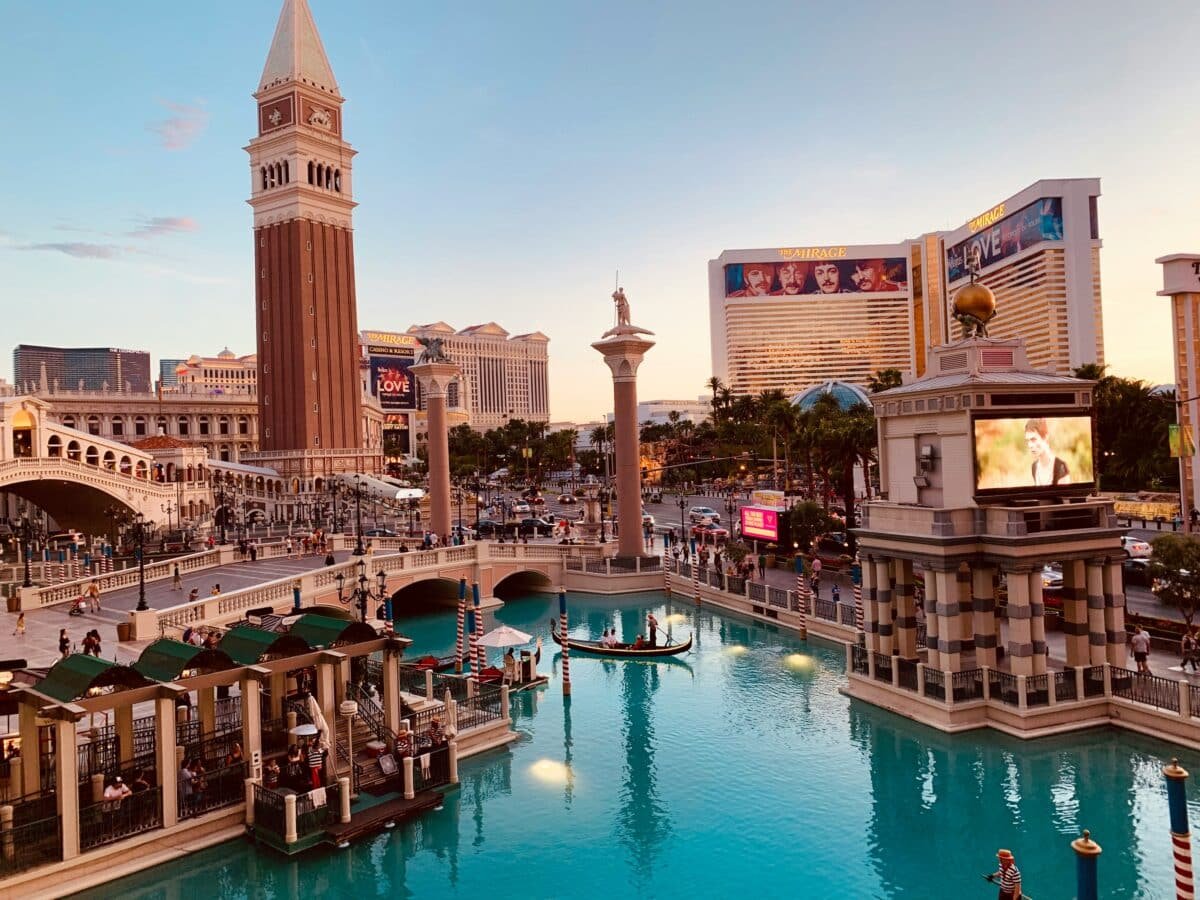
Las Vegas leads the way with its world-class accommodations and vibrant nightlife. Honeymooners can indulge in spa treatments, dine at Michelin-starred restaurants, or catch a dazzling show. For a quieter experience, couples can explore the neon-lit city’s hidden gems, like intimate wine bars or gondola rides at The Venetian. Each moment in Vegas is designed to create memories that last a lifetime.

For couples seeking outdoor romance, Nevada’s natural beauty provides a serene escape. Lake Tahoe’s crystal-clear waters and snow-capped mountains create the perfect setting for kayaking, skiing, or simply enjoying a sunset by the shore. Similarly, the Valley of Fire State Park offers stunning red sandstone formations, providing a magical backdrop for hiking or stargazing. These experiences allow couples to connect with both nature and each other in a uniquely intimate way.

How Do Nevada’s Wedding Packages Make Planning Effortless?

Nevada’s wedding packages are designed to simplify the planning process, offering everything a couple needs to create their perfect day. Venues across the state provide customizable options that include everything from floral arrangements and décor to photography and entertainment. This one-stop-shop approach allows couples to focus on enjoying their engagement instead of stressing over logistics.

In Las Vegas, all-inclusive packages reign supreme. Many resorts and chapels provide options that cater to different budgets, from simple and elegant ceremonies to extravagant celebrations. These packages often include extras like limousine transportation, live streaming for guests who can’t attend, and professional hair and makeup services. Whether you’re planning an elopement or a grand affair, Vegas ensures every detail is handled with precision.

For those looking outside the city, Lake Tahoe offers wedding packages that highlight the region’s natural beauty. Imagine exchanging vows on the shore with the mountains as your backdrop or hosting an intimate ceremony aboard a private yacht. Meanwhile, desert venues near Red Rock Canyon provide packages that blend rustic charm with modern sophistication, offering couples a unique blend of elegance and adventure.

Nevada’s wedding professionals are known for their expertise and dedication, ensuring every detail aligns with the couple’s vision. From coordinators to caterers, the state’s industry thrives on making dream weddings a reality, no matter the scale or style.

Nevada: The Ultimate Destination for Love

Whether you’re planning a wedding, honeymoon, or romantic getaway, Nevada offers an unparalleled mix of excitement, beauty, and convenience. Its world-class venues, tailored packages, and endless options for romance make it a top destination for couples looking to celebrate their love. From the glittering lights of Las Vegas to the tranquil shores of Lake Tahoe, Nevada promises a wedding experience as unforgettable as the bond you’re celebrating.

As couples continue to seek unique and meaningful ways to celebrate their love, Nevada remains a beacon for romance and creativity. With its blend of natural beauty, luxurious amenities, and personalized services, the state ensures that every moment is nothing short of magical.

Carving the Slopes: The Artistry of Skiing

In the frost-kissed realms of snow-covered mountains, the art of skiing emerges as a breathtaking dance between gravity and human prowess. From the serene glides of cross-country skiing to the adrenaline-fueled descents of alpine skiing, this article delves into the captivating world of skiing—a dynamic and graceful expression that combines technique, athleticism, and a profound connection with the wintry landscapes.

Mastering the Basics: A Symphony of Movement

At the heart of skiing lies the mastery of fundamental techniques. Learning to balance, glide, and execute controlled turns are the initial brushstrokes in the skier’s canvas. Whether on the groomed trails of a resort or the untouched powder of backcountry terrain, the artistry begins with understanding the nuances of weight distribution, edging, and the harmonious interaction between skier and slope.

Alpine Skiing: The Poetry of Descent

Alpine skiing, with its swift descents down snow-covered slopes, embodies the poetry of motion. Carving turns through freshly fallen snow or navigating meticulously groomed trails, alpine skiers become artists, leaving arcs of elegance in their wake. The seamless dance between skis and terrain, the rush of wind against the face, and the panoramic views contribute to an immersive experience that transcends the physical act of skiing.

Freestyle Skiing: Aerial Ballet on Snow

For those seeking to elevate their skiing to new heights—literally—freestyle skiing takes center stage. In the realm of terrain parks and halfpipes, skiers become aerial artists, executing spins, flips, and tricks that defy gravity. The combination of technical precision and creative expression transforms the snowy landscape into a canvas for freestyle skiers to paint their daring and gravity-defying masterpieces.

Cross-Country Skiing: The Serenity of Endurance

In contrast to the thrill of alpine descents, cross-country skiing embraces the serenity of endurance. Gliding across vast snow-covered landscapes, skiers engage in a rhythmic and meditative journey. The graceful push and glide motion, accompanied by the rhythmic sound of skis against snow, create a tranquil yet invigorating experience that connects skiers to the natural beauty of winter.

Backcountry Skiing: Charting Unexplored Territories

For adventurers seeking the uncharted, backcountry skiing beckons. Beyond the marked trails of resorts, backcountry skiers explore untamed wilderness, conquering untouched powder and immersing themselves in the solitude of pristine landscapes. The artistry here lies in the navigation of challenging terrain, the symbiotic relationship with nature, and the thrill of discovery.

Gear as the Artist’s Palette

Just as an artist carefully selects brushes and paints, a skier chooses their gear with precision. From the design of skis and bindings to the flexibility of boots and the contour of poles, each piece contributes to the skier’s ability to express themselves on the snow. Technological advancements in ski equipment continually shape the canvas upon which skiers create their masterpieces.

Contrarian Statement: Facing the Challenges of Nature

While the art of skiing is a mesmerizing pursuit, it is not without challenges. Unpredictable weather, varying snow conditions, and the inherent risks of mountainous terrain demand resilience and adaptability. Skiers must navigate the ever-changing canvas of nature, acknowledging both its beauty and its potential hazards.

Skiing as a Cultural Tapestry

Beyond the physical act, skiing weaves a rich cultural tapestry. Festivals, competitions, and traditions around the world celebrate the art of skiing. Whether it’s the iconic downhill races of the Winter Olympics or the festive atmosphere of après-ski gatherings, skiing transcends individual pursuits, becoming a shared expression of joy, skill, and camaraderie.

Conclusion

In the artful pursuit of skiing, individuals become both creators and performers on the canvas of snow-covered landscapes. The nuanced techniques, diverse styles, and cultural significance make skiing a dynamic and captivating art form. From the rhythmic tranquility of cross-country skiing to the daring aerial ballet of freestyle, each skier contributes to the collective masterpiece of winter sports. As skiing continues to evolve, driven by innovation and passion, the artistry of gliding down snow-covered slopes will endure, captivating hearts and minds with its timeless allure.

Unlocking Athletic Excellence: The Vital Role of Sports Psychology

In the realm of sports, achieving peak performance goes beyond physical prowess; it’s also about mastering the mental game. Sports psychology plays a crucial role in helping athletes harness their mental strengths, overcome challenges, and perform at their best when it matters most. In this article, we’ll delve into the significance of mental health and sports psychology in athletic performance, exploring techniques used by athletes to enhance focus, motivation, and resilience, while also addressing the stigma surrounding mental health in sports.

Understanding the Mind-Body Connection

The mind-body connection is a fundamental aspect of athletic performance. While physical training builds strength, speed, and endurance, mental training through sports psychology helps athletes develop the psychological skills needed to excel under pressure. From visualization and goal-setting to self-talk and relaxation techniques, sports psychology equips athletes with the tools to optimize their mental performance and achieve their full potential.

Enhancing Focus and Concentration

In the heat of competition, maintaining focus and concentration is essential for success. Sports psychology offers various strategies to help athletes sharpen their focus and block out distractions. Techniques such as mindfulness meditation, breathing exercises, and attentional focus training can help athletes stay present, calm, and focused on the task at hand, enabling them to perform at their peak even in high-pressure situations.

Cultivating Motivation and Determination

Motivation is the driving force behind athletic success. Sports psychology delves into the intricacies of motivation, helping athletes cultivate a strong sense of purpose, passion, and determination. By setting meaningful goals, visualizing success, and fostering a growth mindset, athletes can harness their inner drive and stay motivated even in the face of setbacks and adversity, fueling their journey towards excellence.

Building Resilience and Mental Toughness

Resilience is a hallmark of mental toughness—the ability to bounce back from setbacks and challenges stronger than before. Sports psychology offers strategies to help athletes build resilience and develop a resilient mindset. Techniques such as positive self-talk, reframing adversity as an opportunity for growth, and embracing failure as part of the learning process can help athletes develop the mental fortitude needed to overcome obstacles and thrive in the face of adversity.

Addressing the Stigma Surrounding Mental Health

Despite the growing recognition of the importance of mental health in sports, stigma still persists surrounding mental illness and seeking help for psychological issues. Athletes are often under immense pressure to perform, leading to heightened stress, anxiety, and depression. However, the fear of being perceived as weak or incapable can prevent athletes from seeking the support they need. It’s essential to break down these barriers and foster a culture of openness, acceptance, and support when it comes to mental health in sports.

Providing Support and Resources

Creating a supportive environment for athletes to address their mental health needs is paramount. Sports organizations, coaches, and teammates play a crucial role in providing support and resources to athletes struggling with mental health issues. This can include access to mental health professionals, counseling services, and education about mental health awareness and self-care strategies. By prioritizing the mental well-being of athletes, sports organizations can help create a culture that values and supports mental health alongside physical performance.

Maximizing Athletic Potential Through Sports Psychology

In conclusion, sports psychology is a powerful tool for unlocking athletic excellence and optimizing performance. By addressing the mental aspects of sports performance, athletes can enhance their focus, motivation, resilience, and overall well-being. It’s essential to recognize the significance of mental health in sports and work towards breaking down the stigma surrounding mental illness. By providing support, resources, and education, we can create a more inclusive and supportive environment that empowers athletes to thrive both on and off the field.

Living Simply: Building Fulfillment for Black Families

In today’s fast-paced world, the idea of simple living offers a powerful antidote to stress and overwhelm. For Black families, embracing this lifestyle is more than a trend—it’s an opportunity to create a more intentional, fulfilling family experience. By focusing on values, minimizing unnecessary distractions, and fostering deeper connections, simple living can transform the way families navigate life’s demands.

What Does Simple Living Mean for Black Families?

At its core, simple living is about prioritizing what truly matters while letting go of excess. For Black families, this approach often aligns with long-standing cultural traditions of resourcefulness, community, and togetherness. Simple living doesn’t mean sacrificing joy or comfort; instead, it’s about making intentional choices that support personal and family well-being.

For instance, a family may choose to downsize their home, not as a concession but as a way to focus on shared spaces that promote bonding. Or they may adopt sustainable practices, such as gardening, not only to save money but also to connect with their heritage and nurture the environment. These choices create a life that is less cluttered and more meaningful.

How Can Black Families Simplify Their Daily Lives?

The first step toward simple living is understanding where unnecessary complexity exists. Start by examining your family’s routines, expenses, and possessions. Ask: Are these things adding value to our lives, or are they creating stress?

Decluttering is a powerful way to embrace simplicity. For many families, accumulating possessions can feel like a measure of success. However, too much “stuff” often leads to a chaotic home environment. By intentionally keeping only what is useful and cherished, families can create a peaceful space that supports mental clarity.

Simplifying also extends to time management. Black families, like many others, often juggle work, school, extracurricular activities, and community obligations. Creating a balanced schedule that prioritizes rest, family time, and self-care can reduce the constant rush and bring a sense of control. For example, having a dedicated family night each week, free from phones or outside distractions, strengthens bonds and promotes quality time.

How Does Simple Living Improve Financial Health?

Financial stress is one of the most common challenges families face. Adopting simple living principles can help Black families manage resources more effectively, focusing on long-term goals rather than short-term gratification.

Budgeting is a key component of this lifestyle. By tracking expenses and distinguishing needs from wants, families can allocate money toward meaningful experiences or investments rather than fleeting purchases. For example, instead of buying the latest gadgets, families can prioritize saving for a child’s education or a memorable vacation.

Minimalist spending doesn’t mean deprivation—it’s about aligning finances with values. Many families find joy in embracing traditions like cooking meals together rather than eating out. Not only does this practice save money, but it also provides an opportunity to pass down recipes, stories, and culture.

Living simply also involves reducing debt. For many Black families, navigating the complexities of generational wealth can be challenging. By focusing on financial literacy and adopting modest spending habits, families can build a foundation for future stability and prosperity.

Why Is Community Central to Simple Living?

Black families have historically thrived on the strength of their communities. Simple living often emphasizes connection and collaboration, making these bonds even more meaningful. Sharing resources, skills, and support can lighten the burden of daily life while fostering a sense of belonging.

Participating in local co-ops, bartering services, or organizing communal events are great ways to simplify while strengthening relationships. These activities reinforce the idea that wealth isn’t only measured in dollars but also in the richness of connections and shared experiences.

Faith and spirituality also play a significant role in many Black families, providing a framework for values and purpose. By prioritizing these traditions and practices, families can deepen their sense of meaning and unity, further enhancing their simple living journey.

How Does Simple Living Foster Fulfillment?

At its heart, simple living is about cultivating joy through intentionality. For Black families, this often means creating space for traditions, celebrations, and moments that matter most. It’s about saying no to the unnecessary so there’s more time and energy for what truly brings happiness.

Practices like journaling, gratitude rituals, or regular family check-ins can help align the household with its core values. When everyone in the family feels heard and understood, it strengthens bonds and fosters a sense of fulfillment.

Simple living also encourages slowing down to appreciate life’s small pleasures—a walk in the park, a heartfelt conversation, or the smell of a home-cooked meal. These moments often carry more weight than material possessions, leaving a lasting impact on family members of all ages.

By embracing simple living, Black families can redefine success, focusing on happiness, health, and harmony. It’s not about perfection but about making choices that reflect love, respect, and intentionality.

The Power of Sports Nutrition: Fueling Performance and Recovery

In the world of sports, achieving peak performance and optimal recovery are essential for athletes looking to excel in their respective disciplines. While training and skill development play crucial roles, the role of nutrition should not be overlooked. Proper nutrition can fuel athletic performance, support muscle growth and repair, and enhance overall well-being. In this article, we’ll explore the importance of sports nutrition, discuss dietary strategies for athletes, delve into the significance of hydration, and debunk common myths and misconceptions surrounding sports nutrition.

Fueling Performance with the Right Nutrition

Nutrition plays a vital role in providing athletes with the energy and nutrients they need to perform at their best. Carbohydrates, fats, and proteins are the three macronutrients that serve as the building blocks of a balanced diet for athletes. Carbohydrates provide a primary source of energy for muscles during exercise, while fats serve as a concentrated source of energy and help support hormone production and cell function. Protein is essential for muscle repair and growth, making it crucial for athletes looking to build and maintain lean muscle mass.

Crafting a Balanced Diet for Athletic Success

A balanced diet for athletes should include a variety of nutrient-dense foods that provide essential vitamins, minerals, and antioxidants. Fresh fruits and vegetables, whole grains, lean proteins, and healthy fats should form the foundation of an athlete’s diet. It’s essential to prioritize whole, unprocessed foods and limit the consumption of sugary snacks, processed foods, and excessive amounts of added sugars and fats. By focusing on quality nutrition, athletes can optimize their performance, support their immune system, and reduce the risk of injury and illness.

The Importance of Hydration for Athletic Performance

Hydration is another critical aspect of sports nutrition that can significantly impact athletic performance and recovery. Staying hydrated is essential for regulating body temperature, maintaining electrolyte balance, and supporting cardiovascular function during exercise. Dehydration can impair physical and cognitive performance, leading to fatigue, muscle cramps, and decreased endurance. Athletes should aim to drink water regularly throughout the day and consume fluids before, during, and after exercise to replenish lost fluids and electrolytes.

Common Myths and Misconceptions About Sports Nutrition

Despite the wealth of information available on sports nutrition, there are still many myths and misconceptions that persist in the athletic community. One common myth is the belief that more protein equals more muscle. While protein is essential for muscle repair and growth, consuming excessive amounts of protein does not necessarily lead to greater muscle gains and may even have negative health consequences. Another myth is that carbohydrates are bad for performance and should be avoided. In reality, carbohydrates are the body’s primary source of fuel during exercise and play a crucial role in supporting athletic performance.

Debunking Nutrition Myths for Athletes

To optimize their nutrition and performance, athletes should focus on consuming a balanced diet that includes adequate amounts of carbohydrates, proteins, and fats. Hydration should also be a top priority, with athletes drinking water regularly throughout the day and paying attention to their fluid intake during exercise. Additionally, athletes should be cautious of fad diets, supplements, and nutrition trends that promise quick fixes but may not be backed by scientific evidence. Instead, they should consult with a registered dietitian or sports nutritionist to develop a personalized nutrition plan that meets their individual needs and goals.

Nourishing Success with Sports Nutrition

In conclusion, sports nutrition plays a crucial role in optimizing athletic performance, supporting recovery, and enhancing overall well-being for athletes of all levels. By fueling their bodies with the right nutrients and staying hydrated, athletes can unlock their full potential and achieve their goals on and off the field. It’s essential for athletes to prioritize quality nutrition, debunk common myths and misconceptions, and seek guidance from qualified professionals to develop sustainable, evidence-based nutrition strategies that support their long-term health and success. With the right approach to sports nutrition, athletes can nourish their bodies, fuel their performance, and reach new heights in their athletic endeavors.

Discover Las Vegas: The Thriving Arts & Culture Scene

Las Vegas, often synonymous with its dazzling casinos and world-class entertainment, also boasts a thriving arts and culture scene that continues to attract visitors from around the globe. Beyond the bright lights of the Strip, the city is home to a diverse range of cultural offerings, from contemporary art galleries to historic theaters, and immersive cultural experiences. This article delves into the rich artistic landscape of Las Vegas, shedding light on the city’s most celebrated art institutions and cultural attractions.

What Are the Most Notable Art Galleries in Las Vegas?

Las Vegas has evolved into a hub for contemporary art, with several cutting-edge galleries showcasing both local and international talent. The Neon Museum is perhaps the most iconic, offering a vibrant glimpse into the city’s colorful past. Known as the “Neon Boneyard,” this outdoor museum features restored neon signs from vintage casinos, motels, and other businesses. It’s a must-visit for anyone interested in pop culture and the history of Las Vegas.

For those interested in more traditional and modern visual arts, the Bellagio Gallery of Fine Art stands out. Located inside the luxurious Bellagio Hotel, the gallery regularly hosts world-class exhibitions featuring renowned artists such as Monet, Picasso, and Rembrandt. Exhibitions here offer a rare opportunity to view masterpieces from top global collections in a stunning setting.

Another notable venue is the Contemporary Arts Center, which serves as an experimental space for innovative and avant-garde art installations. The center often features rotating exhibitions by local artists, providing a platform for creative expression and pushing the boundaries of contemporary art in the city.

How Has Las Vegas Become a Cultural Hub for Live Performances?

Las Vegas has long been celebrated for its entertainment offerings, particularly in the realm of live performances. The city’s famous theaters host everything from Broadway productions to Cirque du Soleil shows, attracting global audiences seeking top-tier entertainment.

The Smith Center for the Performing Arts is at the heart of Las Vegas’s cultural life, providing a space for a variety of performances including ballet, orchestras, and opera. Its world-class acoustics and stunning architecture make it a premier venue for those seeking a more refined cultural experience.

The Las Vegas Arts District (or 18b) is a growing area that supports local theater groups, independent film screenings, and alternative performances. Here, visitors can explore experimental theater productions, live music venues, and art houses. This area highlights how Las Vegas has evolved from a city focused on tourism to one that fosters a more diverse, community-driven arts and culture scene.

What Cultural Festivals Can Visitors Enjoy in Las Vegas?

Cultural festivals are an integral part of the Las Vegas arts scene, offering an opportunity for locals and visitors to experience a wide range of creative expressions. The Las Vegas Arts Festival is one such event, where artists from all over the country come to showcase their work, participate in interactive workshops, and engage with the public. The festival highlights various art forms including painting, photography, and sculpture.

Las Vegas is home to a variety of ethnic and multicultural festivals that celebrate the city’s diverse population. Events like Chinese New Year celebrations, Dia de los Muertos festivals, and Latin cultural festivals give visitors a unique chance to explore global traditions and customs through music, food, and performances.

The Las Vegas Film Festival, one of the city’s most prestigious cultural events, brings filmmakers, actors, and cinephiles together to showcase independent films. It has become a significant event for both up-and-coming filmmakers and established professionals in the film industry, reflecting the city’s growing role in international film culture.

How Can Las Vegas Residents and Tourists Experience Local Arts and Culture?

For those living in or visiting Las Vegas, experiencing local arts and culture doesn’t require a trip to a major institution. Many neighborhoods throughout the city are home to small art galleries, community centers, and creative spaces where local artists and performers showcase their work. These venues offer a more intimate and personalized experience of the arts, often with the chance to meet the artists and learn more about their creative processes.

The Las Vegas Art Museum is one such place where residents can engage with art in a more community-centered environment. This museum regularly hosts art talks, educational programs, and workshops for all ages, making it a valuable resource for individuals looking to deepen their understanding of contemporary art. Additionally, many local galleries offer First Friday Art Walks, where visitors can explore galleries and street art installations while enjoying live music and food from local vendors.

Cultural centers like the Lou Ruvo Center for Brain Health also contribute to the city’s cultural identity by hosting visual art exhibitions and performances designed to raise awareness about health, wellness, and neuroscience. These initiatives showcase how art can intersect with social issues and contribute to a more holistic cultural experience.

How Does Las Vegas Celebrate Its History and Heritage Through Art?

Las Vegas’s art scene also offers rich insights into the city’s history and heritage. The Las Vegas History Museum highlights the city’s evolution, from its humble beginnings as a railroad stop to its current status as a global entertainment capital. The museum regularly hosts exhibits that focus on the city’s iconic figures, such as Bugsy Siegel and Howard Hughes, and explores the historical milestones that shaped modern Las Vegas.

The Mandalay Bay’s Shark Reef Aquarium, although primarily an attraction for tourists, doubles as a space for cultural education about marine life and the environment. Through innovative exhibits and collaborations with environmental organizations, the aquarium blends art and conservation to engage the public in issues related to sustainability and the preservation of natural resources.

Las Vegas’s public art installations—including murals, sculptures, and interactive art pieces—are scattered throughout the city, offering residents and tourists the opportunity to explore art in public spaces. These works reflect the city’s creative spirit and its commitment to enhancing public spaces through art that is both accessible and impactful.

Why Is Arts & Culture Vital to the Identity of Las Vegas?

Arts and culture are integral to the identity of Las Vegas, contributing to the city’s vibrancy and diversity. The city’s thriving arts scene is not just about entertainment—it reflects the values of creativity, innovation, and community. In recent years, the arts have become a major driving force for economic development, attracting tourists and residents who seek a more culturally rich experience.

Las Vegas’s commitment to the arts allows the city to stand out from other tourist destinations. It is no longer just a place for gambling and shows; it is a cultural hotspot that draws artists, performers, and audiences who are looking for something beyond the conventional. The rise of arts and culture in Las Vegas also supports local artists by providing platforms for creative expression and opportunities for exposure.

The Evolution of Sports Fashion: From Tracksuits to Streetwear

Sports fashion has undergone a remarkable evolution over the years, shaping not only the way we dress for athletic activities but also influencing mainstream popular culture. From the humble beginnings of tracksuits to the rise of streetwear, the journey of sports fashion is a fascinating tale of innovation, style, and cultural impact. In this article, we’ll trace the history of sports fashion, explore iconic apparel brands, and delve into the crossover between sports fashion and streetwear.

The Birth of Sports Fashion

The roots of sports fashion can be traced back to the early 20th century when sports became increasingly popular as leisure activities and competitive events. Initially, sports apparel was designed primarily for functionality, focusing on performance-enhancing features such as breathability, flexibility, and moisture-wicking properties. However, as sports became more ingrained in mainstream culture, the aesthetics of sports clothing began to evolve, paving the way for the emergence of sports fashion.

Rise of Iconic Sports Apparel Brands

The evolution of sports fashion would not be complete without mentioning the iconic apparel brands that have left an indelible mark on the industry. Brands like Nike, Adidas, and Puma have become synonymous with sports fashion, revolutionizing the way we perceive and engage with athletic wear. From their signature logos to their innovative designs and cutting-edge technologies, these brands have played a significant role in shaping the trajectory of sports fashion and setting trends that resonate with consumers worldwide.

Trends in Athletic Wear

Over the decades, athletic wear has evolved from simple tracksuits and sweatpants to a diverse range of garments that blend style and functionality. Today, athleisure—a fusion of athletic wear and casual clothing—has become a dominant trend in the fashion world, blurring the lines between sports apparel and everyday fashion. From leggings and sports bras to hoodies and sneakers, athleisure has become a go-to choice for people seeking comfort, versatility, and style in their wardrobe.

The Influence of Sports Fashion on Popular Culture

The influence of sports fashion extends far beyond the realm of athletics, permeating mainstream popular culture and shaping the way we dress and express ourselves. Sports icons like Michael Jordan and Serena Williams have not only dominated their respective sports but have also become fashion icons, inspiring millions with their signature looks and endorsement deals. Additionally, the rise of streetwear—a style characterized by casual, comfortable clothing inspired by urban youth culture—has further blurred the boundaries between sports fashion and everyday attire.

The Crossover Between Sports Fashion and Streetwear

In recent years, the lines between sports fashion and streetwear have become increasingly blurred, with both worlds borrowing elements from each other to create unique and distinctive styles. Sneakers, once reserved for the basketball court, have become coveted fashion statements worn by celebrities and fashionistas alike. Similarly, tracksuits, once associated with athletes and gym-goers, have been embraced by streetwear enthusiasts as a symbol of urban cool.

Embracing Comfort, Style, and Performance

One of the key drivers behind the popularity of sports fashion and streetwear is their emphasis on comfort, style, and performance. Whether you’re hitting the gym, running errands, or hanging out with friends, sports-inspired clothing offers a perfect balance of functionality and fashion, allowing you to look and feel your best no matter the occasion. With an array of options available, from high-performance activewear to trendy streetwear staples, there’s something for everyone in the world of sports fashion.

The Enduring Legacy of Sports Fashion

In conclusion, the evolution of sports fashion is a testament to the enduring influence of athletics on popular culture and fashion. From its humble beginnings as functional sportswear to its current status as a global style phenomenon, sports fashion continues to captivate audiences around the world with its blend of comfort, style, and performance. As we look to the future, one thing is certain: the legacy of sports fashion will continue to inspire and influence generations to come, shaping the way we dress and express ourselves for years to come.