Beyond the Neon: Legal Do’s and Don’ts for Nevada Adventurers

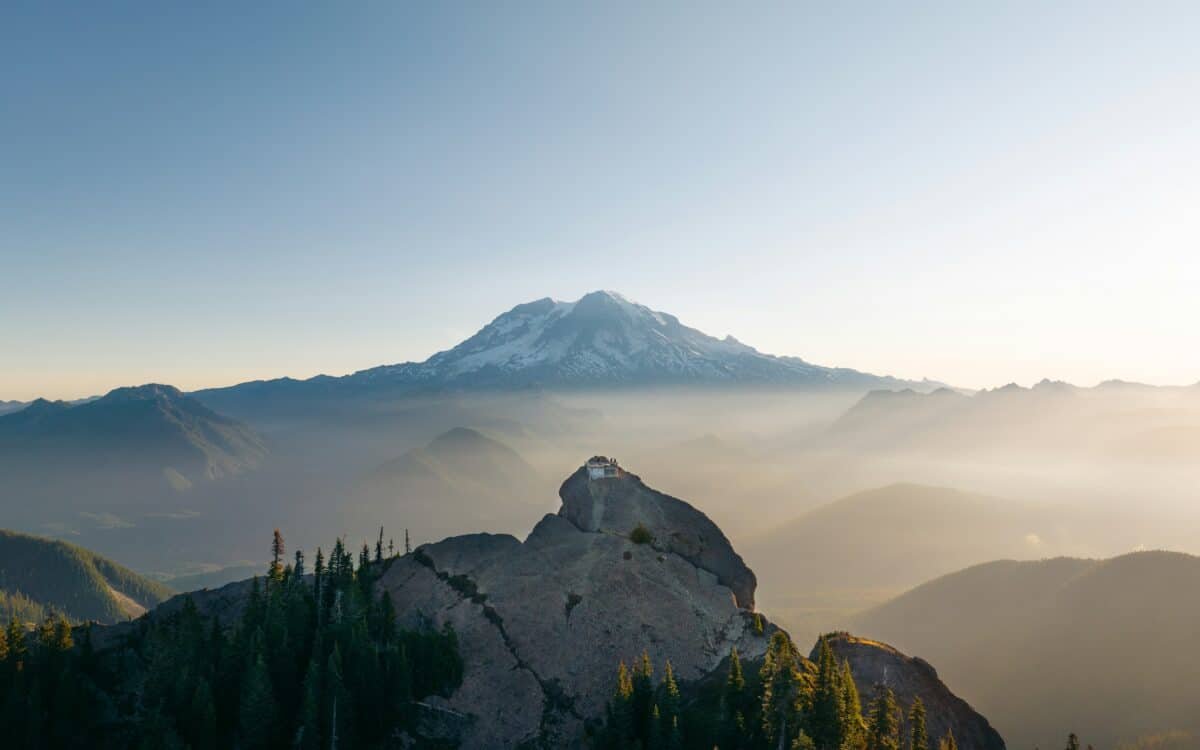
Nevada – the land of dazzling lights, epic landscapes, and endless adventure possibilities. But before you strap on your hiking boots or hit the road for a desert road trip, brushing up on a few key laws can ensure a smooth and unforgettable experience.  Think of it as packing the essentials for your Nevada adventure – sunscreen, comfy shoes, and a little legal know-how to avoid any unwanted surprises.  So, let’s ditch the gambling myths and explore some essential legal tidbits for visitors venturing beyond the glitz of the casinos.

Hitting the Trails and the Town: Essential Laws for Everyday Adventures

Nevada – the land of wide-open spaces, dramatic landscapes, and enough outdoor adventures to fill a lifetime.  Sure, the casinos might steal the spotlight, but Nevada’s got so much more to offer for the intrepid explorer.  

Whether you’re lacing up your hiking boots to conquer a mountain trail or strolling down the quirky streets of a historic mining town, a little legal know-how can ensure your Nevada adventure is smooth sailing (or should we say, smooth hiking?).  Think of it like packing the essentials for your trip – sunscreen, a trusty water bottle, and a mental checklist of legalities to avoid any unwanted detours.

First things first: hydration is king (or queen) in Nevada’s desert climate.  The sun can be a real scorcher, especially during the summer months.  Imagine this: you’re halfway up a challenging hike, the view is incredible, but you’re starting to feel that familiar headache – a sure sign of dehydration.  

Not exactly the way you pictured conquering that summit, right?  A study published in the Journal of Wilderness Medicine emphasizes the importance of proper hydration, especially in hot environments.  So, do yourself a favor and pack a reusable water bottle – staying hydrated is essential for a safe and enjoyable outdoor adventure.

Beyond staying hydrated, respecting the environment is crucial. Nevada boasts breathtaking natural beauty, from towering red rock canyons to delicate desert ecosystems.  Think of it as this:  we’re all just borrowing this incredible landscape, so let’s leave it pristine for future generations to enjoy.  

Always follow “Leave No Trace” principles when exploring the outdoors.  Pack out all your trash, minimize campfire impact  (remember, responsible campfire practices are key to preventing wildfires!), and respect wildlife habitats.  A little environmental consciousness goes a long way in ensuring Nevada’s natural wonders stay wild and beautiful.

These are just a few key areas to be aware of.  It’s always a good idea to do further research depending on your specific activities planned in Nevada.  For instance, are you planning on camping?  Knowing the local fire restrictions might be helpful!

Keeping it Safe: Road Rules and Responsible Recreation

Nevada offers endless opportunities for exploration, but safety should always be a top priority.  Here are some legal considerations to keep you rolling (or hiking!) smoothly:

  • Buckle Up for Adventure: Seatbelt safety is paramount. Nevada has a mandatory seatbelt law for all occupants of a moving vehicle. Play it safe and avoid any unnecessary tickets.
  • Respecting the Right of Way: Whether you’re cruising down the highway or navigating bustling city streets, be aware of traffic laws and yield the right of way when necessary. Defensive driving is key to a safe and enjoyable Nevada adventure.
  • Wildlife Encounters: Nevada is home to a variety of fascinating wildlife creatures, from majestic bighorn sheep to curious desert tortoises. Always maintain a safe distance from wild animals and never attempt to feed them. Remember, these are wild animals, and respecting their habitat is crucial.

A little legal awareness goes a long way.  By following these tips and doing your research, you can ensure your Nevada adventure is filled with fun, exploration, and lasting memories.


The Role of a Law Degree in Political Candidacy

Running for political office is a significant decision that requires careful consideration of various factors, including qualifications, experience, and public perception. One common question that arises is whether a law degree is necessary for individuals seeking political office. In this article, we explore the role of a law degree in political candidacy and examine the potential benefits and drawbacks of having legal education in the political arena.

The Importance of Legal Knowledge in Politics

Politics and law are closely intertwined, with many aspects of governance and policymaking requiring a solid understanding of legal principles and procedures. A law degree can provide individuals with valuable knowledge and skills that are relevant to the political arena, including constitutional law, administrative law, criminal law, and public policy analysis. Legal training can help politicians draft legislation, interpret complex statutes, navigate legal challenges, and advocate for policy changes effectively.

Advantages of Having a Law Degree in Politics

Having a law degree can confer several advantages for individuals seeking political office. Firstly, it can enhance credibility and legitimacy in the eyes of voters, as legal education is often associated with intelligence, competence, and expertise in matters of governance. Secondly, legal training can provide politicians with a deeper understanding of the legal and regulatory framework within which they operate, enabling them to make informed decisions and craft effective policy proposals. Additionally, lawyers often possess strong analytical, research, and communication skills that are valuable in the political arena, including the ability to debate complex issues, negotiate compromises, and articulate persuasive arguments.

Examples of Lawyers in Politics

Numerous politicians have leveraged their legal background to pursue successful careers in politics. For example, many U.S. presidents, including Thomas Jefferson, Abraham Lincoln, and Barack Obama, were lawyers by training. Similarly, numerous members of Congress, governors, mayors, and other elected officials have legal backgrounds and have used their expertise to shape legislation, advocate for their constituents, and advance public policy goals. The legal profession has long been seen as a pathway to political leadership, with lawyers often occupying prominent positions in government at all levels.

Drawbacks and Limitations

While a law degree can be advantageous in politics, it is not a prerequisite for political success, and there are certain drawbacks and limitations to consider. Firstly, legal education can be time-consuming and expensive, requiring several years of study and significant financial investment. This may deter individuals from diverse backgrounds or with limited resources from pursuing a career in politics. Secondly, legal training is not inherently better or more valuable than other forms of education or professional experience, and politicians with different backgrounds and expertise can bring unique perspectives and skills to the table. Finally, legal expertise alone does not make effective leadership or policymaking, and successful politicians must possess a diverse skill set, including communication, leadership, and interpersonal skills.

Consideration of Additional Factors

In addition to legal education, aspiring politicians should consider a range of other factors when evaluating their qualifications and readiness for political office. These factors may include relevant experience in government, business, or community leadership; a track record of public service and civic engagement; alignment with the values and priorities of constituents; and the ability to connect with voters and build coalitions across diverse communities. While a law degree can be a valuable asset in politics, it is just one of many factors that contribute to effective leadership and governance.

Takeaway

While a law degree can be beneficial for individuals seeking political office, it is not a strict requirement for political success. Legal education can provide valuable knowledge, skills, and credibility in the political arena, but it is not the only pathway to effective leadership or policymaking. Ultimately, voters evaluate candidates based on a range of factors, including their qualifications, experience, values, and policy positions. By considering the role of a law degree in the context of their own aspirations, abilities, and goals, individuals can make informed decisions about whether legal education is necessary or beneficial for their political ambitions.

More Concern Amid Traffic Accidents in Nevada

Traffic accidents in Nevada have become a growing concern, with rising fatalities and significant socioeconomic impacts. As accident rates increase, authorities are focusing on addressing contributing factors and implementing strategies to improve road safety. This article explores the underlying issues, government response, and future prevention measures for tackling the traffic accident crisis in Nevada.

Rising Accident Rates

Increase in Fatalities

Nevada has seen a disturbing rise in traffic-related fatalities over recent years. The state’s highways and urban centers have become increasingly dangerous, with more fatal collisions reported annually. This uptick is alarming to both residents and policymakers who are now pushing for solutions to curb the trend.

High-Risk Areas

Certain areas in Nevada, particularly in urban zones like Las Vegas and Reno, have been identified as high-risk for traffic accidents. High-speed roads, densely populated neighborhoods, and tourist-heavy districts contribute to higher accident rates, making these areas focal points for traffic safety improvements.

Contributing Factors

Distracted Driving

Distracted driving, particularly the use of mobile phones behind the wheel, remains a leading cause of accidents in Nevada. Whether it’s texting, using apps, or taking calls, drivers are increasingly diverting their attention from the road, resulting in more crashes.

Alcohol and Drug Use

Another significant factor contributing to Nevada’s traffic accidents is impaired driving due to alcohol or drug use. Despite legal measures to combat DUI (driving under the influence), substance-related crashes continue to pose a major risk, particularly during nighttime and weekends.

Economic Impact

Healthcare Costs

The financial toll of traffic accidents extends beyond physical damage to vehicles. Healthcare costs related to accident injuries, emergency services, and long-term care place immense pressure on Nevada’s healthcare system. Families and individuals affected by severe accidents often face significant medical expenses.

Damage to Infrastructure

Traffic accidents also result in costly damage to Nevada’s infrastructure. Repairs to roads, signage, and barriers become necessary following major accidents. This, combined with increased congestion and delays, leads to additional economic losses for the state.

Government Response

Stricter Traffic Laws

In response to rising accident rates, Nevada’s government has introduced stricter traffic laws. Initiatives such as enhanced penalties for distracted driving, more stringent DUI regulations, and speed limit enforcement have been enacted to deter dangerous driving behaviors and improve road safety.

Law Enforcement Initiatives

Law enforcement agencies in Nevada have stepped up their efforts by conducting targeted patrols in high-risk areas, running DUI checkpoints, and employing new technologies like traffic cameras to monitor speeding and reckless driving. These initiatives aim to create a safer driving environment across the state.

Public Awareness Campaigns

Driver Education

Public awareness campaigns focused on driver education play a crucial role in reducing accidents. These campaigns promote responsible driving behaviors, the dangers of distracted driving, and the consequences of impaired driving. Schools, businesses, and community centers are often involved in spreading these messages.

Media Outreach

Media outreach campaigns, including television ads, radio spots, and social media initiatives, help increase awareness of road safety issues. By engaging the public through diverse platforms, authorities can reach a wide audience and emphasize the importance of safe driving habits.

Future Prevention

Smart Traffic Technology

To further reduce traffic accidents, Nevada is looking into smart traffic technology. Innovations such as AI-driven traffic lights, autonomous vehicles, and real-time traffic monitoring systems can help prevent accidents before they occur. These technologies can identify potential hazards, manage traffic flow, and alert drivers to changing conditions.

Road Safety Measures

Future prevention efforts also include improved road safety measures such as better signage, enhanced lighting in accident-prone areas, and physical modifications to road infrastructure like wider lanes and more pedestrian crossings. These measures, combined with education and enforcement, are expected to help mitigate the number of accidents in Nevada.

The rising concern over traffic accidents in Nevada has sparked action at various levels, from government initiatives to public awareness campaigns. With a focus on stricter laws, technological advancements, and improved road safety measures, Nevada aims to reduce traffic-related fatalities and create a safer driving environment for all. As these efforts continue, collaboration between authorities and the public will be key to achieving lasting change.

Addressing Nevada’s Growing Affordable Housing Crisis: Challenges and Solutions

The affordable housing crisis in Nevada has become one of the most pressing issues facing the state today. As Nevada continues to grow, the demand for affordable housing has far outpaced supply, leaving many residents struggling to find and maintain adequate living conditions. This issue is particularly acute in rapidly growing areas like Las Vegas and Reno, where rising property values and rents are pushing lower-income families out of the housing market. In this article, we will explore the factors contributing to Nevada’s affordable housing crisis, the impact it is having on residents, and potential solutions to address this growing problem.

The Causes of Nevada’s Affordable Housing Crisis

Rapid Population Growth

One of the primary drivers of the affordable housing crisis in Nevada is the state’s rapid population growth. Nevada has been one of the fastest-growing states in the U.S. for several years, with people drawn to its strong job market, relatively low taxes, and favorable climate. This influx of new residents has significantly increased the demand for housing, particularly in urban areas like Las Vegas and Reno. However, the pace of new housing construction has not kept up with this demand, leading to a shortage of available units and driving up prices.

Rising Property Values and Rent Costs

The rising cost of housing is another major factor contributing to the crisis. As demand for housing has increased, so too have property values and rental prices. In some areas, home prices have risen by more than 20% in just a few years, making homeownership unattainable for many Nevada residents. At the same time, rents have also skyrocketed, with many renters facing significant increases in their monthly payments. For low- and middle-income families, these rising costs have made it increasingly difficult to find affordable housing, forcing some to live in overcrowded or substandard conditions.

Insufficient Affordable Housing Supply

Despite the growing demand for affordable housing, the supply has not kept pace. There are several reasons for this, including a lack of incentives for developers to build affordable units, zoning restrictions, and the high cost of land and construction. In Nevada, much of the new housing being built is geared toward higher-income buyers, leaving a significant gap in the market for affordable options. Additionally, the state has struggled to preserve existing affordable housing, with many units being converted into market-rate rentals or lost to redevelopment.

The Impact of the Affordable Housing Crisis on Nevadans

Increased Homelessness

One of the most visible and troubling effects of the affordable housing crisis in Nevada is the increase in homelessness. As housing costs continue to rise, more and more residents are finding themselves unable to afford rent or mortgage payments, leading to evictions and, in some cases, homelessness. In cities like Las Vegas, the homeless population has grown significantly, putting a strain on local shelters and social services. For many, the lack of affordable housing options leaves them with few, if any, alternatives.

Economic and Social Displacement

The affordable housing crisis is also contributing to economic and social displacement, particularly in rapidly gentrifying areas. Longtime residents, particularly those in lower-income neighborhoods, are being pushed out as property values rise and new, more affluent residents move in. This displacement disrupts communities, forcing families to move away from jobs, schools, and social networks. It also exacerbates economic inequality, as those who are displaced often have to move to areas with fewer opportunities and resources.

Strain on Public Services

The affordable housing crisis is placing a significant strain on public services in Nevada. As more residents struggle to afford housing, the demand for social services, such as housing assistance, food aid, and healthcare, has increased. This has put pressure on state and local governments, which are already grappling with budget constraints. The crisis is also affecting the education system, as students from low-income families are more likely to experience housing instability, which can negatively impact their academic performance.

Potential Solutions to Address the Crisis

Expanding Affordable Housing Initiatives

One of the most direct ways to address the affordable housing crisis in Nevada is to expand affordable housing initiatives. This could include increasing funding for programs that support the construction and preservation of affordable housing, such as the Low-Income Housing Tax Credit (LIHTC) program. Additionally, state and local governments could offer incentives to developers to build more affordable units, such as tax breaks, density bonuses, or expedited permitting processes.

Implementing Rent Control and Tenant Protections

Another potential solution is the implementation of rent control measures and stronger tenant protections. Rent control laws can help to limit the rate at which rents can increase, making housing more affordable for tenants over the long term. Additionally, strengthening tenant protections, such as requiring just cause for eviction and offering legal assistance to tenants facing eviction, can help to prevent homelessness and housing instability.

Zoning Reforms and Land Use Policies

Zoning reforms and land use policies could also play a crucial role in addressing the affordable housing crisis in Nevada. By revising zoning laws to allow for higher-density development and the construction of accessory dwelling units (ADUs), the state could increase the supply of affordable housing. Additionally, local governments could prioritize the use of public land for affordable housing projects, ensuring that new developments meet the needs of low- and middle-income residents.

The affordable housing crisis in Nevada is a complex and multifaceted issue that requires a comprehensive and coordinated response. As the state continues to grow, it is crucial that policymakers, developers, and community leaders work together to find solutions that increase the supply of affordable housing and protect vulnerable residents from displacement and homelessness. By expanding affordable housing initiatives, implementing rent control and tenant protections, and reforming zoning laws, Nevada can begin to address the root causes of the crisis and ensure that all residents have access to safe, stable, and affordable housing.

Navigating Nevada’s Ever-Changing Weather: Tips and Tricks

Hey there, weather warriors! If you’re living in Nevada, you know that the weather can be as unpredictable as a roll of the dice. From scorching hot days to chilly desert nights, adjusting to the ever-changing weather of the Silver State requires a bit of flexibility, preparation, and a good sense of humor. So, whether you’re a longtime resident or a newcomer to the desert, here are some tips and tricks to help you navigate Nevada’s fickle weather patterns like a pro.

First off, let’s talk about the desert climate. Nevada is known for its hot, arid weather, especially during the summer months. This means that temperatures can soar into the triple digits during the day and drop significantly at night. To stay comfortable and prepared for whatever Mother Nature throws your way, it’s essential to dress in layers and always carry a light jacket or sweater with you, even on the hottest days. This way, you can easily adjust your clothing as the temperature fluctuates throughout the day and into the evening.

But it’s not just about the heat – Nevada’s weather can also be affected by sudden changes in elevation, especially in mountainous regions like Lake Tahoe and the Sierra Nevada range. This means that even if you’re enjoying a sunny day in Las Vegas, you could encounter snow and freezing temperatures just a few hours’ drive away. To stay safe and prepared for these rapid changes in weather, it’s crucial to check the forecast regularly and pack accordingly if you’re planning to travel or spend time outdoors in different parts of the state.

Another factor to consider when adjusting to Nevada’s ever-changing weather is the wind. Known for its gusty conditions, especially in the spring and fall, Nevada’s wind can kick up dust storms, blow over trees, and make outdoor activities like hiking, biking, and golfing a bit more challenging. To protect yourself from the wind, it’s essential to wear sunglasses to shield your eyes from dust and debris, as well as a wide-brimmed hat to protect your face and neck from the sun. And if you’re planning to spend extended time outdoors, consider bringing along a windbreaker or lightweight jacket to keep you warm and protected from the elements.

Of course, no discussion of Nevada’s weather would be complete without mentioning the infamous monsoon season. Occurring primarily in the summer months, Nevada’s monsoon season brings with it thunderstorms, lightning, and heavy rainfall that can lead to flash flooding and dangerous driving conditions. To stay safe during monsoon season, it’s essential to be aware of the weather forecast and avoid traveling or engaging in outdoor activities during severe weather events. If you find yourself caught in a thunderstorm, seek shelter indoors or in a sturdy building until the storm passes, and never attempt to drive through flooded roadways.

But despite its unpredictable weather, Nevada offers plenty of opportunities for outdoor adventure and exploration year-round. From hiking and camping in the spring and fall to skiing and snowboarding in the winter, there’s something for everyone to enjoy in the Silver State regardless of the weather. The key is to be prepared, flexible, and adaptable to changing conditions, whether you’re hitting the slopes in Tahoe or lounging by the pool in Las Vegas.

In conclusion, adjusting to the ever-changing weather of Nevada requires a bit of preparation, flexibility, and a sense of adventure. Whether you’re braving the heat of the desert, battling the wind in the mountains, or hunkering down during a thunderstorm, being aware of the weather forecast and packing accordingly is key to staying safe and comfortable in the Silver State. So, embrace the unpredictability of Nevada’s weather, and get ready to enjoy all that this beautiful and diverse state has to offer, rain or shine!

Red Rock Canyon’s Rugged Allure: A Las Vegas Escape You Won’t Forget

Las Vegas. Bright lights, clinking casino chips, and the promise of non-stop entertainment. But just a stone’s throw away lies a different kind of Vegas magic – the rugged beauty of Red Rock Canyon National Conservation Area. Here, amidst the fiery red sandstone cliffs and dramatic canyons, you’ll find an escape that’s both thrilling and soul-stirring.

So, ditch the slot machines for a day and trade the neon glow for breathtaking vistas. Here’s why Red Rock Canyon National Conservation Area should be on your Las Vegas itinerary:

A Landscape Painted in Fire: Geological Wonders Await

Red Rock Canyon’s defining characteristic is undoubtedly its namesake – the fiery red sandstone cliffs that rise majestically from the desert floor.  Millions of years of geological sculpting have created a landscape unlike any other.  Towering sandstone formations, sculpted by wind and time, stand guard over scenic valleys and hidden coves.  The vibrant red hues, particularly stunning at sunrise and sunset, create a sense of awe and inspire photographers and nature enthusiasts alike.

Adventure for All Levels: Hike, Climb, or Explore

Red Rock Canyon National Conservation Area caters to all types of adventurers. Seasoned hikers can tackle challenging trails like the strenuous but rewarding Loop Trail, offering panoramic views of the entire conservation area.  For a more leisurely stroll, the Calico Hills Trail winds through a colorful landscape of red and tan sandstone formations.

Rock climbing enthusiasts will find a paradise of routes on the sandstone cliffs, with varying degrees of difficulty to suit all skill levels.  Mountain bikers can explore designated trails that weave through the desert terrain, offering a unique perspective of the landscape.

A Nature Lover’s Paradise: Flora, Fauna, and Starry Skies

Beyond the dramatic scenery, Red Rock Canyon National Conservation Area boasts a rich biodiversity.  Desert flora like cacti, yucca plants, and wildflowers paint the landscape with color, especially during the spring wildflower bloom.  If you keep your eyes peeled, you might spot desert wildlife like coyotes, bighorn sheep, and even roadrunners scurrying across the trails.

As night falls, the lack of light pollution transforms Red Rock Canyon into a stargazer’s paradise. Spread out a blanket, gaze up at the vast, inky canvas sprinkled with a million twinkling stars – a sight that’s hard to find in the neon-drenched city.

A Glimpse into History: Unveiling the Past

Red Rock Canyon National Conservation Area is not just about stunning scenery; it also holds historical significance.  Evidence of past human habitation can be found in the form of petroglyphs – ancient rock carvings – left by indigenous peoples who once roamed this land.  Hiking trails like the Mosaic Canyon Trail lead you past these silent testaments to the region’s rich history.

A Family-Friendly Escape: Learning and Fun in the Sun

While some activities might be more suited for adults, Red Rock Canyon National Conservation Area offers plenty for families to enjoy.  The visitor center features interactive exhibits and educational programs that introduce children to the park’s geology, plants, and animals.  The Junior Ranger program keeps young minds engaged with scavenger hunts and activities that spark curiosity about the natural world.

Beyond the Red Rocks: Exploring the Area

Red Rock Canyon National Conservation Area is a convenient jumping-off point for further exploration of the surrounding area.  Take a scenic drive along the historic Old Las Vegas Mormon Fort Road, or visit the historic town of  Bonnie Springs for a taste of the Wild West.

Plan Your Red Rock Canyon Adventure

Red Rock Canyon National Conservation Area is located just 19 miles west of Las Vegas, making it easily accessible for a day trip or a longer escape.  The park is open all year round, although summer temperatures can be scorching.  Spring and fall offer the most comfortable weather for outdoor activities.  The entrance fee is minimal, making it an affordable adventure for the whole family.

A Las Vegas Oasis Awaits

So, if you’re looking for a break from the glitz and glamor of the Las Vegas Strip, head out to Red Rock Canyon National Conservation Area.  This stunning natural wonderland offers breathtaking scenery, diverse activities, and a chance to reconnect with nature.  Lace up your hiking boots, pack a picnic basket, and get ready to experience the rugged allure of Red Rock Canyon – a Las Vegas escape you won’t forget.

The Ghosts of Lookout Mountain: Haunting Tales from the Past

Nestled in the heart of the American South, Lookout Mountain is a place rich in history and mystery. Known for its Civil War past, it’s a site that draws the attention of history buffs, nature lovers, and ghost hunters alike. The mountain, which has witnessed countless battles and dramatic events, is said to harbor the restless spirits of soldiers and civilians who once walked its grounds. Today, Lookout Mountain is not just a tourist destination; it’s a place where the veil between the living and the dead is believed to be thin.

What Makes Lookout Mountain a Haunted Destination?

Lookout Mountain, a stunning natural landmark straddling the border of Georgia and Tennessee, has long been linked to ghost stories and supernatural occurrences. Its history as a key battleground during the Civil War has undoubtedly played a role in the many legends surrounding the area. During the Battle of Lookout Mountain in 1863, soldiers from both the Union and Confederate armies fought fiercely for control, leaving behind a significant loss of life.

Over the years, these tragic events have fueled stories of ghostly apparitions and unexplained phenomena. Witnesses often report hearing the sounds of marching footsteps or the distant sounds of cannon fire, even though no battle took place there in modern times. Some visitors have claimed to see the faint figures of soldiers walking through the mist or standing silently among the trees, their forms disappearing when approached.

The hauntings of Lookout Mountain are not limited to battle-related apparitions. There are also tales of ghostly figures of women in mourning, who are said to wander the mountain’s trails and ridges. These stories often tie back to the wives and families who lost their loved ones during the Civil War and still search for them in the afterlife.

Why Do Ghosts Linger on Lookout Mountain?

While it’s difficult to pinpoint the exact reason why certain locations become so deeply associated with hauntings, experts believe it could be a combination of factors. One theory is that traumatic events, like the violent battles that took place on Lookout Mountain, leave an emotional or spiritual imprint on the land. These imprints, also known as residual hauntings, are believed to repeat the same event or energy over and over again. Visitors to Lookout Mountain who experience strange phenomena may simply be witnessing echoes of the past.

Another possibility is the mountain’s natural features, which can amplify the strange energy many believe exists in the world. The dense forests and rocky cliffs may create the perfect environment for heightened sensitivity to paranormal activity. Additionally, the mountain’s elevation gives it a commanding view of the surrounding valleys and towns, which may add to its mystique and enhance the idea that spirits are watching from above.

What Are Some of the Most Famous Hauntings on Lookout Mountain?

Lookout Mountain is home to many famous ghost stories, each with its own chilling tale. Some of the most well-known hauntings include:

The Phantom Soldier: A common tale shared by ghost hunters involves a soldier seen walking along the ridges of Lookout Mountain, carrying a rifle. This ghost is believed to be one of the many soldiers who perished during the Civil War battle and is often described as having a sad, distant expression. Visitors report seeing him fade into the mist, never truly making contact with anyone who tries to approach him.

The Ghostly Woman in White: Another recurring apparition is that of a woman dressed in a flowing white gown, often seen wandering the trails near the Point Park area. Legend has it that she is the ghost of a woman whose husband was killed in battle, and she has been searching for him ever since. Some hikers have described feeling an overwhelming sense of sadness or sorrow when near her, while others claim to have seen her fade away in front of their eyes.

The Lost Soldier’s Resting Place: One of the most well-known sites on the mountain is a small, unmarked grave said to belong to a young Confederate soldier. Visitors often report hearing faint whispers or seeing the figure of the soldier standing near the grave. Some claim that the soldier’s spirit remains restless, searching for the rest of his comrades who never returned home.

Can You Visit Lookout Mountain and Experience the Hauntings?

Lookout Mountain is a popular destination for tourists, particularly those interested in the Civil War, history, and the supernatural. The area offers various hiking trails, historic sites, and views that have made it a favorite for outdoor enthusiasts. However, it also offers a more paranormal side for those intrigued by the supernatural.

Many ghost hunters and thrill-seekers visit Lookout Mountain hoping to catch a glimpse of its ghostly residents. Night tours are available for those who want to explore the mountain after dark, when the eeriest occurrences are said to take place. Some tours even offer a mix of history and haunting, providing insight into the battlefield’s tragic past and its lasting impact on the present.

While the supernatural experiences at Lookout Mountain may be anecdotal, they are a part of the charm that draws people to this mysterious location. Whether you’re a history buff, a ghost hunter, or simply looking for a unique adventure, Lookout Mountain offers something for everyone—especially those with a fascination for the unknown.

The Impact of New York Media on Politics

In the bustling metropolis of New York, media outlets wield significant influence over the political landscape, shaping public opinion, driving discourse, and impacting decision-making processes. From newspapers and television networks to online platforms and social media channels, the diverse array of media sources in the Big Apple play a pivotal role in shaping the political narrative at local, state, and national levels.

Understanding the Reach of New York Media

New York City, often referred to as the media capital of the world, is home to a multitude of influential media organizations that reach audiences far beyond the city limits. Major newspapers such as The New York Times, The Wall Street Journal, and the New York Post have established themselves as powerhouses in journalism, delivering news and analysis that reverberate across the globe. Similarly, television networks like CNN, MSNBC, and Fox News, which have headquarters or significant operations in New York City, command large viewerships and play a crucial role in shaping public perceptions of political events and issues.

The Role of New York Media in Political Coverage

New York media outlets are known for their extensive coverage of political affairs, providing in-depth analysis, investigative reporting, and commentary on a wide range of topics, from local elections to international diplomacy. With their proximity to the centers of power in Washington, D.C., and Albany, New York journalists have unparalleled access to policymakers, elected officials, and political insiders, enabling them to deliver insider perspectives and exclusive insights to their audiences.

Moreover, the diverse and cosmopolitan nature of New York City ensures that media coverage reflects a wide spectrum of viewpoints, ideologies, and interests. Whether it’s the liberal-leaning editorial stance of The New York Times or the conservative perspective espoused by outlets like the New York Post, the plurality of voices in the New York media landscape ensures that political discourse remains vibrant, dynamic, and inclusive.

The Influence of New York Media on Public Opinion

The extensive reach and credibility of New York media outlets endow them with the power to shape public opinion and influence political outcomes. Through investigative reporting, editorial endorsements, and opinion pieces, media organizations can sway public sentiment, mobilize grassroots movements, and hold elected officials accountable for their actions. In an era marked by heightened political polarization and information overload, the role of trusted media sources in providing reliable, fact-checked news and analysis cannot be overstated.

Contrarian Viewpoint: Media Bias and Partisan Polarization

Despite their reputation for journalistic integrity, New York media outlets are not immune to accusations of bias and partisanship. Critics argue that certain media organizations have agendas that favor specific political ideologies or interest groups, leading to the dissemination of partisan narratives and the amplification of echo chambers. In an age of social media echo chambers and algorithmic filtering, some contend that New York media outlets contribute to the fragmentation of public discourse and the exacerbation of political polarization.

Navigating the Complexities of New York Media

In navigating the complexities of New York media, it’s essential for consumers to exercise critical thinking, media literacy, and discernment. By consuming news from diverse sources, fact-checking information, and seeking out multiple perspectives, individuals can mitigate the influence of bias and misinformation in shaping their political beliefs and attitudes. Additionally, engaging in constructive dialogue, respectful debate, and civic participation can foster a more informed and inclusive political discourse that transcends partisan divides and fosters mutual understanding.

Embracing Media Diversity and Plurality

Amidst the challenges posed by media bias and polarization, the diversity and plurality of New York media present opportunities for citizens to engage with a wide range of perspectives and viewpoints. By actively seeking out alternative sources of information, exploring independent media outlets, and participating in community-driven journalism initiatives, individuals can broaden their understanding of political issues and contribute to a more robust and inclusive public discourse.

Furthermore, the advent of digital media platforms and social networking sites has democratized the production and dissemination of news, empowering citizens to become active participants in the media ecosystem. From citizen journalism and grassroots activism to online forums and social media movements, New Yorkers are leveraging digital technologies to amplify marginalized voices, challenge established narratives, and hold institutions accountable for their actions.

The Future of New York Media and Political Discourse

As New York media continue to evolve in response to technological advancements, changing consumer preferences, and shifting political dynamics, the future of political discourse in the Big Apple remains uncertain yet promising. With a renewed emphasis on transparency, accountability, and journalistic integrity, media organizations have the opportunity to reaffirm their commitment to serving the public interest and fostering a more informed and engaged citizenry.

In conclusion, the influence of New York media on politics is profound and far-reaching, shaping public perceptions, driving policy debates, and influencing electoral outcomes. With their extensive reach, credibility, and resources, New York media outlets have the power to inform, inspire, and mobilize citizens to participate in the democratic process. However, it’s essential to remain vigilant against media bias, misinformation, and partisan agendas, and to cultivate a media ecosystem that promotes transparency, accountability, and democratic values. As New York continues to be at the forefront of media innovation and political discourse, the role of media consumers in critically evaluating information and fostering civic engagement becomes increasingly paramount.

New York Governor’s Economic Development Policies: A Comprehensive Analysis

Assessing the Impact on the State’s Financial Landscape

The economic development policies spearheaded by the current New York governor have been the focal point of recent discussions, prompting a thorough examination of their implications for the state’s financial trajectory. This editorial aims to provide an in-depth analysis of the policies enacted, shedding light on their effects on New York’s economic landscape.

The Core Tenets of the Policies

At the forefront of the governor’s agenda are policies designed to stimulate economic growth and foster a thriving business environment. These initiatives include targeted investments in key sectors, streamlined regulatory processes, and strategic partnerships with private entities. The overarching goal is to create a conducive atmosphere for businesses to flourish, ultimately driving economic prosperity for the state.

Supporting Details on Investment Strategies

One of the primary pillars of the economic development plan involves strategic investments in critical sectors such as technology, infrastructure, and renewable energy. The injection of capital into these areas aims to bolster innovation, enhance competitiveness, and create job opportunities for the state’s residents.

In addition to financial commitments, the governor’s office has actively engaged in fostering public-private partnerships. These collaborations seek to leverage the expertise of private entities while ensuring the responsible and sustainable development of key projects. By aligning state resources with private-sector capabilities, the administration aims to maximize the impact of its economic development initiatives.

Evaluating the Regulatory Landscape

A crucial component of the governor’s economic agenda is the streamlining of regulatory processes. Recognizing the importance of a business-friendly environment, efforts have been made to simplify bureaucratic hurdles and reduce red tape for enterprises. This shift in regulatory focus is intended to attract investments, spur entrepreneurship, and promote the overall ease of doing business within the state.

Balancing Development with Environmental Concerns

However, amidst the drive for economic progress, concerns have been raised regarding the potential environmental impact of certain development projects. Critics argue that the emphasis on rapid economic growth may inadvertently lead to environmental degradation. Striking a delicate balance between development and environmental preservation is imperative, necessitating a nuanced approach to policy implementation.

Incorporating Stakeholder Perspectives

To gain a comprehensive understanding of the policies’ impact, it is essential to consider the perspectives of various stakeholders. Interviews with business leaders, community representatives, and economic experts reveal a spectrum of opinions. While some laud the governor’s proactive stance on economic development, others express reservations about the long-term sustainability of certain strategies.

Summarizing the Comprehensive Impact

In summary, the economic development policies championed by the current New York governor constitute a multifaceted approach aimed at fostering growth and prosperity. By strategically investing in key sectors, streamlining regulations, and fostering public-private collaborations, the administration seeks to position the state as a hub for innovation and economic activity.

However, as with any comprehensive policy framework, challenges and concerns arise. The need to balance development with environmental considerations underscores the complexity of the task at hand. As New York navigates its economic trajectory under these policies, ongoing evaluation and adaptation will be crucial to ensuring sustained, inclusive, and responsible growth for the benefit of all residents.

Explore Nevada’s Stunning Outdoor Adventures

What Makes Nevada’s Landscapes Perfect for Outdoor Recreation?

Nevada’s diverse landscapes make it an outdoor enthusiast’s dream, offering something for adventurers of all interests. The state’s natural beauty extends beyond its famous deserts, showcasing an incredible mix of towering mountains, serene lakes, and expansive plains. From the rugged terrain of the Sierra Nevada to the iconic Mojave Desert, Nevada offers endless possibilities for exploration.

For hikers, Nevada’s trails are unmatched. The Tahoe Rim Trail, which circles the pristine Lake Tahoe, offers breathtaking views and peaceful solitude. Meanwhile, the Ruby Mountains, often referred to as Nevada’s “Alps,” provide challenging climbs and lush alpine scenery. Each trail invites visitors to connect with nature in a way that feels both thrilling and rejuvenating.

Water enthusiasts find just as much to love in Nevada. Lake Mead and Lake Tahoe attract kayakers, paddleboarders, and swimmers year-round. Fishing is another favorite pastime, with anglers flocking to Pyramid Lake for its unique scenery and trophy-sized trout.

The state’s landscapes also lend themselves to quiet moments of reflection. From watching the sunrise over Great Basin National Park to stargazing in some of the darkest skies in the country, Nevada’s outdoor spaces offer opportunities to unwind and reconnect.

What Outdoor Activities Can You Enjoy in Nevada?

Nevada is home to a wide range of outdoor activities, making it an ideal destination for adventurers of all kinds. Whether you’re seeking adrenaline-pumping excitement or tranquil experiences, the state delivers.

Camping is one of the most popular ways to experience Nevada’s beauty. Visitors can pitch their tents in locations like Valley of Fire State Park, where vibrant red sandstone formations create otherworldly views. For those who prefer a little more comfort, campgrounds near Lake Tahoe offer amenities alongside nature’s grandeur.

Rock climbing is another major draw, especially in places like Red Rock Canyon National Conservation Area. Climbers from around the world are drawn to its sandstone cliffs, which range from beginner-friendly routes to advanced ascents. The sport’s popularity has grown alongside efforts to preserve these natural formations for future generations.

Nevada’s deserts are also a playground for off-road enthusiasts. ATV trails and dirt biking routes crisscross the state, allowing visitors to explore the rugged terrain in thrilling ways. Sand Mountain Recreation Area, near Fallon, offers dune-riding experiences that combine adventure with stunning views of the surrounding desert.

For those who prefer a slower pace, birdwatching and photography are equally rewarding. Nevada’s wetlands, such as the Lahontan Valley, host migratory birds and other wildlife, providing endless opportunities for observation and creativity.

With so much variety, it’s no surprise that outdoor recreation plays a central role in Nevada’s appeal. Each activity brings a new way to experience the state’s unique beauty and rich natural heritage.

Why Is Nevada Perfect for All Seasons of Adventure?

One of Nevada’s biggest draws is its year-round outdoor recreation. Thanks to the state’s diverse climates and geography, there’s always an adventure waiting, no matter the season.

Winter transforms the mountains into snowy wonderlands, making Nevada a haven for skiing and snowboarding. Resorts like Mount Rose and Diamond Peak cater to both beginners and seasoned skiers, offering slopes with spectacular views of Lake Tahoe. Cross-country skiing and snowshoeing are also popular, providing quieter ways to explore snow-covered trails.

Spring and fall are ideal for hiking and exploring the desert landscapes. The cooler temperatures make destinations like Death Valley and Valley of Fire State Park more accessible. Wildflowers bloom across the state during these seasons, painting the terrain with vibrant colors and adding an extra layer of beauty to the experience.

Summer is the perfect time to enjoy Nevada’s lakes and rivers. Families flock to beaches along Lake Tahoe for swimming and picnicking, while adventurers paddleboard or kayak through its crystal-clear waters. Lake Mead becomes a hub for boating and jet skiing, with its vast expanse offering plenty of room for exploration.

No matter when you visit, Nevada’s outdoor adventures promise unforgettable experiences. The state’s landscapes and activities adapt beautifully to every season, making it a year-round destination for nature lovers and thrill-seekers alike.