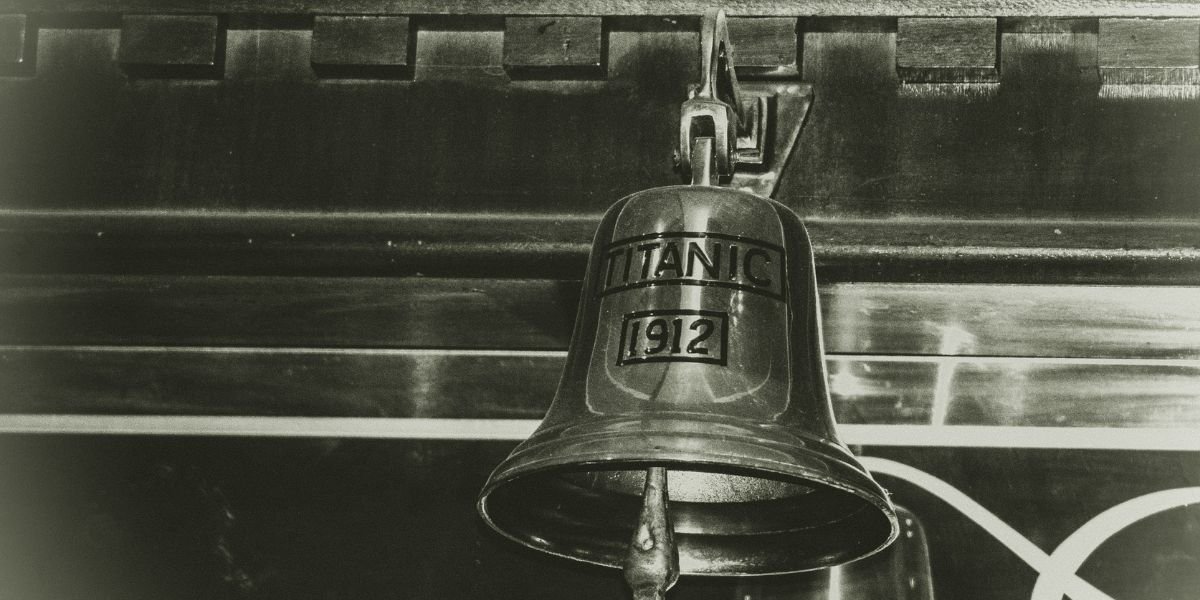
The story of the Titanic stands as one of the most compelling and tragic events in maritime history. Conceived as a symbol of unprecedented luxury and engineering prowess, the grand liner embarked on its maiden voyage with an air of invincibility. However, its journey across the Atlantic in April 1912 ended in catastrophe, leading to one of the most profound peacetime maritime disasters. The enduring fascination with the Titanic stems not only from its dramatic sinking but also from the complex interplay of factors that contributed to its fate, a puzzle that continues to be unraveled decades later.
Read Also: The Growing Environmental Damage from Severe Weather
The narrative of the doomed voyage is more than just a historical account; it serves as a powerful case study in engineering limits, human decision-making under pressure, and the unforgiving nature of the elements. From its ambitious design to the chilling final hours, and the subsequent efforts to understand precisely what transpired, the Titanic’s story remains a testament to both human aspiration and vulnerability.
The Design and Construction of the Grand Liner
The creation of the Titanic represented the zenith of early 20th-century shipbuilding ambition. It was designed to be the largest and most luxurious vessel afloat, intended to ferry passengers across the Atlantic in unprecedented comfort and style. The liner’s construction involved thousands of workers and cutting-edge engineering techniques for its time. Key features included its immense size, reaching over 269 meters (882 feet) in length, and its impressive triple-screw propulsion system.
A significant design element often highlighted was its compartmentalization into 16 supposedly watertight compartments. The prevailing belief was that even if several of these compartments were breached, the vessel would remain afloat. This innovative design contributed to the perception of it being “unsinkable.” The interiors were lavish, reflecting the era’s opulence, catering to various classes of passengers with amenities ranging from grand staircases and swimming pools to well-appointed cabins. The design and construction aimed to blend grand scale with perceived safety and unparalleled luxury, embodying the aspirations of an era.
The Ill-Fated Maiden Voyage Across the Atlantic
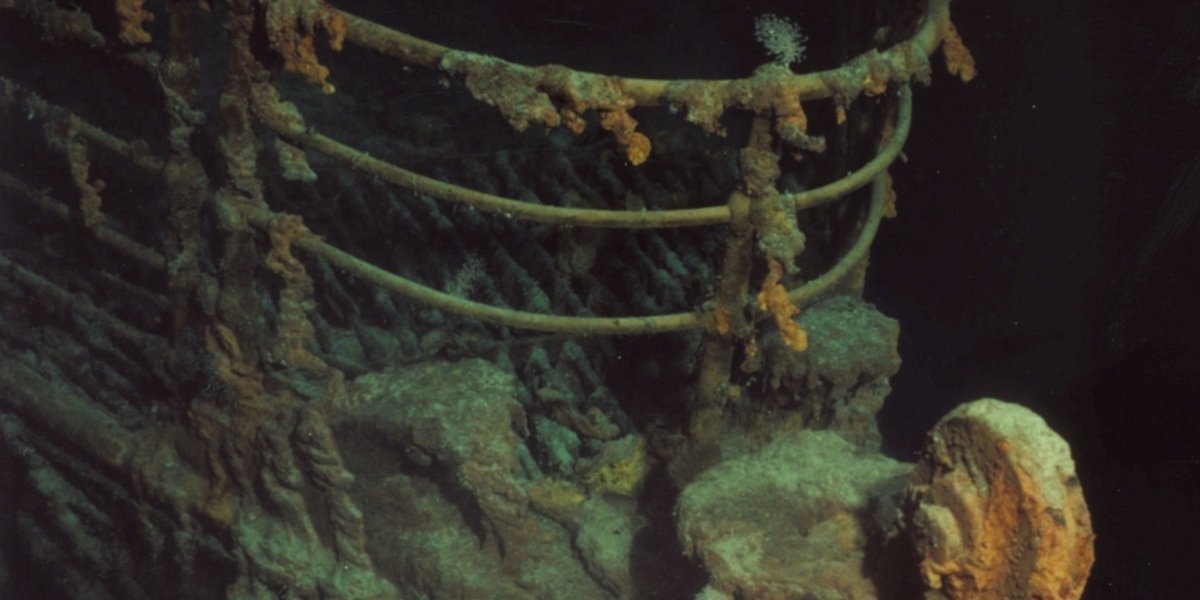
Photo Credit: Unsplash.com
The maiden voyage commenced from Southampton, England, on April 10, 1912, bound for New York City. The vessel carried over 2,200 individuals, including passengers from various social strata and a large complement of crew members. The journey began smoothly, marked by the luxury and excitement onboard. However, as the liner proceeded across the North Atlantic, it entered waters known for significant ice hazards, particularly during the spring.
Numerous ice warnings were received by the ship’s wireless operators from other vessels in the area. While some warnings were communicated to the bridge, others were reportedly not fully conveyed or acted upon with the urgency that perhaps hindsight would suggest. The vessel maintained a high speed, a common practice for liners aiming to adhere to schedules. This combination of speed, the dark, moonless night, and the challenging icy conditions set the stage for the unforeseen confrontation that would define the doomed voyage.
The Collision and Initial Aftermath
Late on the night of April 14, 1912, at approximately 11:40 PM ship’s time, lookouts spotted an iceberg directly in the vessel’s path. Despite immediate evasive maneuvers, the sheer size and momentum of the liner, combined with the short warning time, meant a collision was unavoidable. The vessel struck the iceberg along its starboard side, causing a series of punctures below the waterline. The damage was not a single large gash, but rather a series of smaller breaches across six of the vessel’s watertight compartments.
Crucially, the design stipulated that the vessel could stay afloat with up to four compartments flooded. However, with six compartments compromised, the water began to pour in, sealing the ship’s fate. The initial impact was subtle, and many passengers and crew members were initially unaware of the gravity of the situation. As engineers assessed the damage, the chilling realization that the vessel would indeed sink began to spread. The lack of sufficient lifeboats for everyone onboard, a critical oversight based on outdated regulations and the belief in the ship’s resilience, soon became horrifyingly apparent.
The Sinking and Rescue Efforts
The sinking of the vessel was a slow but inexorable process, lasting over two hours and forty minutes. As water filled the forward compartments, the bow slowly dipped, causing the stern to rise higher and higher out of the water. The angle of the deck grew steeper, complicating the launching of the lifeboats. Compounding the tragedy, many lifeboats were launched partially filled, due to a combination of confusion, lack of clear instructions, and a reluctance among some to board what appeared to be an unsafe evacuation method in a calm sea.
The icy cold waters of the North Atlantic (around -2 degrees Celsius or 28 degrees Fahrenheit) proved lethal for those who entered them, with hypothermia setting in rapidly. Distress signals were sent, and several vessels responded, but the nearest one, a passenger ship, was too far away to reach the scene before the final moments. At approximately 2:20 AM on April 15, the immense vessel broke apart, its stern section briefly rising vertically before plunging into the depths. Of the over 2,200 individuals onboard, more than 1,500 perished, making it one of the deadliest maritime disasters in history.
The Discovery and Ongoing Investigations
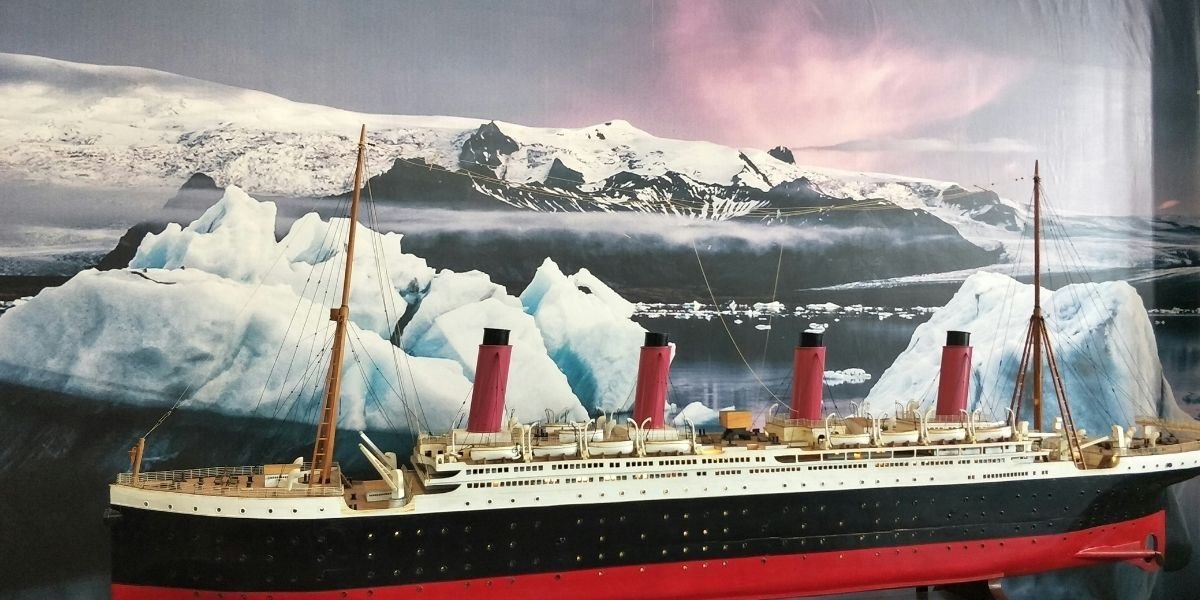
Photo Credit: Unsplash.com
For decades after the sinking, the precise location of the vessel remained a mystery, lying undiscovered on the ocean floor. It wasn’t until September 1, 1985, that a joint French-American expedition led by oceanographer and explorer was successful in locating the wreckage. Resting in two main sections, nearly 4,000 meters (13,000 feet) below the surface, the discovery opened a new chapter in understanding the disaster. Subsequent expeditions utilized remotely operated vehicles and submersibles to explore the wreck, capturing thousands of images and hours of video footage.
These explorations revealed valuable details about the break-up of the vessel and the distribution of debris on the seabed. Scientific analysis of the wreckage and metallurgical studies of salvaged pieces, particularly the steel plates and rivets, provided crucial insights into the material properties and construction methods of the era. The investigations following the discovery further illuminated the factors that contributed to the rapid sinking, including the brittle nature of the steel in freezing temperatures and the likely failure of the iron rivets under stress. The ongoing study of the wreck continues to provide a deeper understanding of this iconic maritime tragedy and informs modern safety regulations.
The Enduring Legacy of the Doomed Voyage
The doomed voyage of the Titanic left an indelible mark on public consciousness and maritime safety. The sheer scale of the loss of life, combined with the perceived invincibility of the vessel, shocked the world and triggered immediate and far-reaching changes in international maritime law. Key outcomes included the establishment of the International Ice Patrol, a service that monitors icebergs in the North Atlantic. Furthermore, new regulations were implemented regarding the number of lifeboats required on passenger vessels, ensuring that there would be enough capacity for everyone onboard.
Read Also: The Eerie Ghosts of Nevada: Stories from the Silver State
The disaster also led to significant advancements in ship construction, communication protocols (mandating 24-hour wireless watch), and emergency procedures. Beyond its direct impact on safety regulations, the Titanic’s story has permeated culture, becoming a powerful symbol of human hubris, the fragility of life, and the class divides of its era. Its enduring mystery and the human drama surrounding its final moments continue to captivate, making it a timeless tale of ambition, tragedy, and the lessons learned from one of history’s most iconic maritime events.